Spotlight On: The City of University City

As temperatures begin to cool off with autumn’s arrival just days away, the importance of keeping the region’s air clean still remains high. This fall, the Clean Air Partnership will continue to show appreciation for local organizations and municipalities that are stepping up to take action for cleaner air by working towards a more sustainable future, benefiting those who live and work in their communities.

University City, Mo., is one of the oldest suburbs in the St. Louis metropolitan area and has been a proud participant of the St. Louis Green Cities Challenge for several consecutive years. Known for its rich history dating back to the late 1800’s and named after the community’s proximity to Washington University, the city has become a center of learning and culture, as well as an area of prosperous commercial activity. Through participation in the Green Cities Challenge, Univeristy City ensures that consistent standards are applied to its planned economic development projects, which is essential as they continue to redevelop existing spaces and create new ones within the community.

Among their impressive green innovations to receive recognition in the 2019 Challenge was a major campaign for recycling anti-contamination featuring custodian training, staff education, mass digital information coverage and audits of residential carts. These initiatives have all contributed to lower rates of contamination, which is also a win for the region’s air quality! Prior to 2008, University City processed its own recyclables and sold the sorted materials to vendors. With a recent grant from the Solid Waste Management District, an evaluation of the city’s former Materials Recovery Facility assessed feasibility to renovate the space with new recycling equipment and process curbside recycling again.

During the Challenge, University City added a much-needed city-staff Green Team to lead interdepartmental sustainability. The Green Team’s first line of work included a survey and audit of each department to identify opportunities to reduce waste and improve collaboration. This year, the city set goals for installing water bottle fill stations in city buildings, supporting Earth Day related events and furthering education and outreach for city departments on recycling.

To further reduce environmental impact, University City signed the Mayors for Solar Energy commitment that is helping city leaders take concrete steps toward brighter, healthier futures. This pledge includes the endorsement of solar energy for local residents, easing the permit process and leading by example. University City is also a part of the regional Grow Solar St. Louis program, which promotes education and group purchasing discounts for residential solar power.

Another noteworthy accomplishment of University City was the purchase of five electric vehicles for use by property inspectors. This resulted from a financial analysis that showed the long-term payback would surpass the purchase of gasoline or hybrid vehicles. The city anticipates expanding the fleet if the electric vehicles are successful in saving money and reducing overall emissions.

For additional information about the ongoing sustainable efforts by University City and how your municipality can get involved in the St. Louis Green Business Challenge/Green Cities Challenge, subscribe to the bi-monthly E-Newsletter or visit www.stlouisgreenchallenge.com. To learn more about the link between sustainability and air quality, explore our website, like us on Facebook or follow us on Twitter at @gatewaycleanair.

Alternative Transportation Options Available in the Region to Celebrate Car-Free Day

While Car-Free Day celebrations will have a bit of a different look this year due to social distancing and mask requirements, people are still encouraged to be less dependent on their vehicles and try alternatives such as walking, biking, utilizing public transit or maybe even carpooling with other household members. Though our cars are convenient and offer a number of benefits, they also contribute a dangerous amount of pollution. Having a day off from driving is highly recommended to raise awareness about these concerns and help reduce harmful emissions.

Vehicle exhaust produces thousands of tons of toxic pollution, including nitrogen oxides and volatile organic compounds that contribute to the formation of ozone smog and particulate matter, which makes it especially hard for sensitive populations to breathe. These factors led to September 22 being designated Car-Free Day each year with the goal to take heat off the planet and our lungs by alerting individuals of the impact traffic has on quality of life in the region. The day is also designed to inspire lasting change for our communities to live more sustainably year-round, not just on special occasions.

In the St. Louis region, the following options are available for area residents to ditch the keys and be car-free to help take vehicles off area roads and reduce the emissions that lead to poor air quality:

  • MetroTransit – The region’s public transit system offers great alternatives for the work commute or an option to hopping in your car for short trips. Serving St. Louis City, St. Louis County and St. Clair County, Ill., Metro Transit allows riders to walk to a nearby stop, or park and take a train or bus, or a combination of the two, to get where they’re going – safely, comfortably and conveniently. Those who live in Madison County, Illinois will find Madison County Transit to be another great alternative. Both have various measures in place to help prevent the spread of COVID-19 and keep riders and operators safe.
  • Ridesharing – This year as COVID-19 persists, we recommend those considering carpooling limit their pool to other members of the same household who may be able to ride together. But looking to the future when carpooling with co-workers or others commuting to the same general area is once again safe, RideFinders offers a free carpool and vanpool ride matching service. Ridesharing services such as Uber and Lyft match drivers of private vehicles to those seeking transportation, too.
  • Walk or Bike – Walking and biking are excellent ways to burn calories instead of burning gas. Not only do they serve as eco-friendly ways to run errands and get around town when weather conditions are favorable, but experts also note that if just 1% of those who drive chose to walk or bike regularly instead, automobile emissions would fall 2-4%.
  • Telecommute – The power of telecommuting to reduce auto emissions was clear across the country and around the world earlier this year as stay-at-home orders led to much lighter traffic and cleaner air in countless locations. As the region continues to open back up for business and traffic ramps back up, so does the potential for increased emissions that contribute to ozone formation. For those that have the ability to work from home, continuing to telecommute is encouraged.

You can do your share for cleaner air by taking the pledge to be car-free on September 22 and beyond to help St. Louisans breathe easier! For a host of additional tips on how to achieve cleaner air all year long, visit our website, like us on Facebook or follow us on Twitter at @gatewaycleanair.

Spotlight On: Ameren Missouri

The Ameren name may be top of mind as we give thanks for air conditioning during the lingering heat of summer, but you might also be interested to learn about their outstanding commitment to keep pace with future energy needs and bringing renewable energy to the region.

Ameren Missouri is part of St. Louis-based Ameren Corporation and has provided electric and gas service for more than 100 years.  As a company that is proud to serve, support and invest in the communities they call home, they also value the importance of balancing the needs of our environment, customers and economy. From preventing and controlling pollution, reducing greenhouse gases and creating renewable energy initiatives to developing innovative technologies that help the company operate cleanly, Ameren Missouri is dedicated to building a legacy of environmental stewardship.

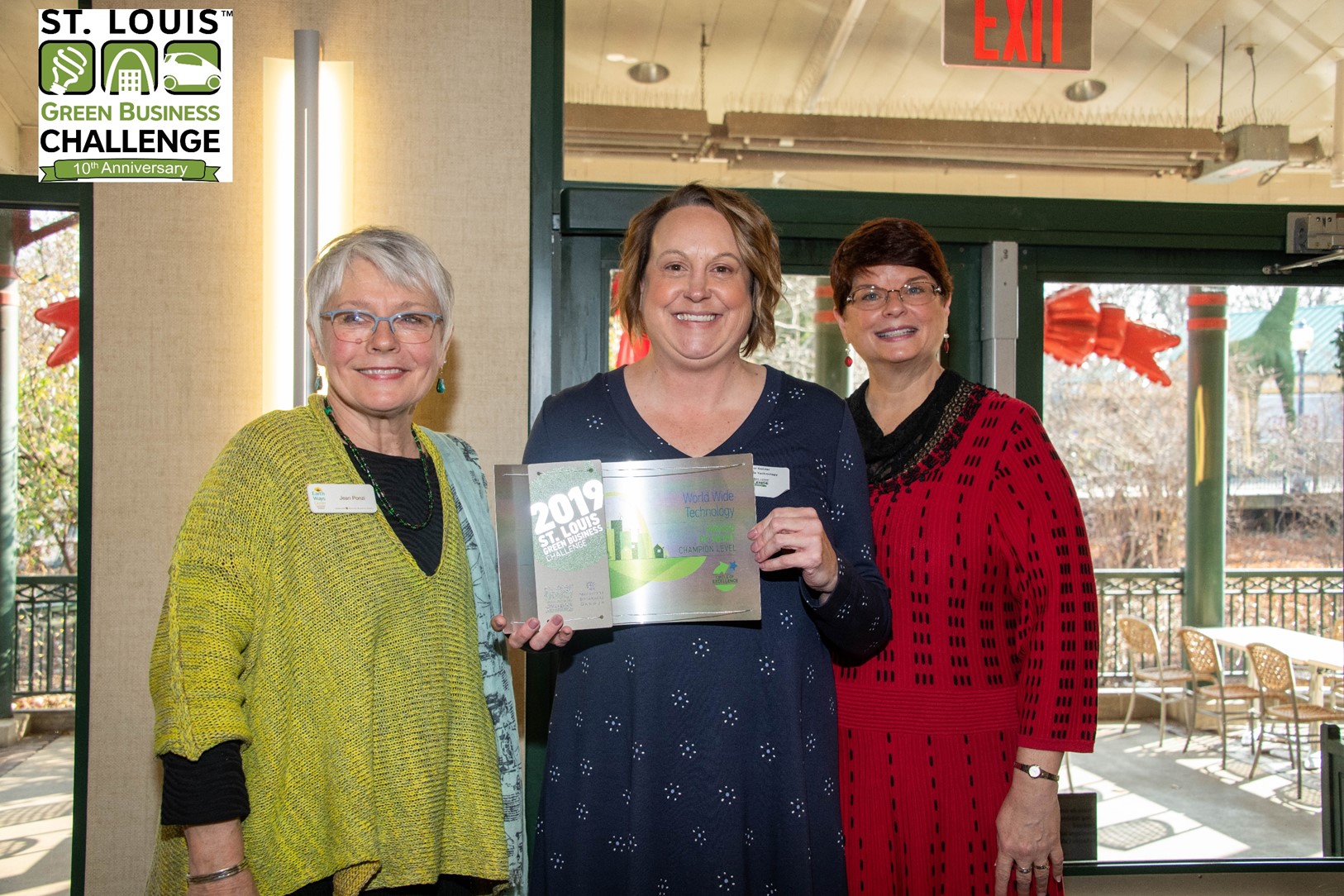
As a proud participant of the St. Louis Green Business Challenge, Ameren Missouri earned the Achievement Award in the Star Circle of Excellence and the first place title at the Champion Level in 2019. To achieve the title of Challenge Champion, businesses must have completed work with the Leader scorecard in past years and commit to continued implementation of deeper sustainability strategies, such completing a greenhouse gas inventory, reducing energy use by at least 25% and striving towards a 75% or greater waste diversion rate.

Through partnerships with various non-profits, schools and institutions, Ameren has spread solar power generation across the state of Missouri. As part of the Neighborhood Solar Program, the company has committed to installing solar generation facilities in available open spaces at no cost to their partners. For customers who want to take part in solar generation without installing equipment at their own home, Ameren is offering a simple solution to serve customers clean, renewable energy through the Ameren Missouri Lambert Community Solar Center, which is the first of its kind in the Community Solar program. Their effort to promote renewable energy doesn’t stop there, as Ameren Missouri recently launched a new program to bring electric vehicle charging stations along state highways, expecting to open 11 new charging stations by the end of the year.

Among Ameren Missouri’s impressive accomplishments to receive recognition in the 2019 Challenge is the establishment of an official biodiversity policy to aid in conserving natural habitat and native species in the regions they serve. Under this policy, the company strives to reduce, minimize or avoid impacts on biodiversity as they develop infrastructure and conduct operations, which is also beneficial to our air quality! Furthermore, Ameren’s Climate Risk Report – Building a Cleaner Energy Future takes a comprehensive look at the steps the company is taking to meet its obligation to provide safe, reliable and affordable energy in an environmentally responsible manner to its customers and communities they serve while effectively balancing climate-related risks.

The Clean Air Partnership is pleased to recognize the efforts of businesses such as Ameren Missouri that continue to take action for cleaner air by channeling their time and energy towards practicing sustainability. For additional information on how your company can get involved in the St. Louis Green Business Challenge, subscribe to their bi-monthly E-Newsletter or visit http://stlouisgreenchallenge.com/. To learn more about the link between sustainability and air quality, explore our website, like us on Facebook or follow us on Twitter at @gatewaycleanair.

Spotlight On: Granite City

With the region continuing to experience sizzling summer temperatures and the importance of keeping the region’s air clean at an all-time high, the Clean Air Partnership is showing appreciation for local organizations and municipalities that are stepping up for the environment and the region’s air quality in a big way. This month, we are pleased to shine a spotlight on Granite City, Ill., for their ongoing sustainable efforts and tremendous work to reduce their carbon footprint.

Founded in 1896 and known for its rich and varied history, Granite City has become a prime location for industrial growth due to its central location and access to the Mississippi River. As a proud participant of the Green Cities Challenge, a program providing local municipalities with the opportunity to learn how to incorporate sustainable policies and practice sustainable fundamentals within their local government business operations, the city continues to build a more sustainable community, both now and for future generations. It’s all part of their effort to achieve the goals set forth by their Sustainability Plan.

Among Granite City’s impressive accomplishments to receive recognition in the 2019 Challenge is hosting two Grow Solar Metro-East power hours, which informed property and small business owners throughout Madison, St. Clair and Monroe Counties about solar power opportunities and how to pool their buying to secure discounts for solar technology in an effort to Solarize the Metro East.

Furthermore, the city conducted a greenhouse gas inventory and installed LED lights at City Hall, the police station, three fire stations and the Port Authority District to do their share for cleaner air by reducing harmful emissions. LED lights are up to 80% more efficient than incandescent bulbs, with around 95% of the energy converted into light, wasting only 5% of energy in the form of heat.

Additionally, the city converted its Ozone Garden into a Native Pollinator Garden, designating it as a Monarch Waystation to create educational outreach programs and add to the current native plantings. The city also received a grant through the Heartlands Conservancy to identify and evaluate existing trees in selected areas and provide recommendations for new plantings to help keep the air clean.

Communication with area residents played an important part in Granite City’s journey to sustainability. Through a “Listen, Lead, Share” event hosted by the city, local residents were able to share their thoughts and views on improving the quality of life for community members as ambassadors of sustainability and offer legislators ideas for shaping Illinois policies on Clean Energy Jobs. In order to better communicate the city’s green initiatives to members of the community, the Cool Cities Committee also revamped its website, providing quick and easy access to various resources promoting clean energy solutions within Granite City and the surrounding area, as well as sustainable alternatives that benefit the environment.

To learn more about the link between sustainability and air quality, explore our website, like us on Facebook or follow us on Twitter at @gatewaycleanair. For more information about the ongoing sustainable efforts by Granite City and how your municipality can get involved in the St. Louis Green Business/Green Cities Challenge, subscribe to the bi-monthly E-Newsletter or visit www.stlouisgreenchallenge.com.

Turn the Key on Vehicle Idling for a Healthier School Environment

While many students across the region will experience virtual learning this fall due to concerns related to the ongoing COVID-19 crisis, thousands of area schoolchildren are back in the classroom or soon will be. Though the start of the upcoming school year comes with many unanswered questions, one thing we know for certain is that idling engines are one of the main contributors to air pollution, with schools across the nation being identified as hot spots for unhealthy air.

Each year, idling engines produce thousands of tons of toxic pollution, including nitrogen oxides and volatile organic compounds that are found in vehicle exhaust and contribute to the formation of ozone smog and particulate matter. Monitoring at schools has shown elevated levels of benzene, formaldehyde, acetaldehyde and other harmful air toxins during the early morning and late afternoon hours, coinciding with parents picking up and dropping off their children. Therefore, it’s especially important to remember to avoid vehicle idling in school zones as children with developing lungs are more susceptible to air pollution, which poses a greater risk for acquiring asthma, respiratory problems and other adverse health effects.

You might also be surprised to learn that:

  • According to the U.S. Department of Energy, eliminating personal vehicle idling would be equivalent to taking 5 million vehicles off the road.
  • Idling for longer than 10 seconds uses more fuel than restarting your engine.
  • Two minutes of idling uses that same amount of fuel as driving one mile.
  • Every gallon of gas wasted produces over 20 pounds of air pollution.
  • Idling vehicles emit 20 times more pollution than a car traveling at 30 mph.
  • Many buildings have fresh air intake systems to pull outdoor air into the indoor environment. If vehicles are idling alongside or near the building, indoor air can become polluted with exhaust.

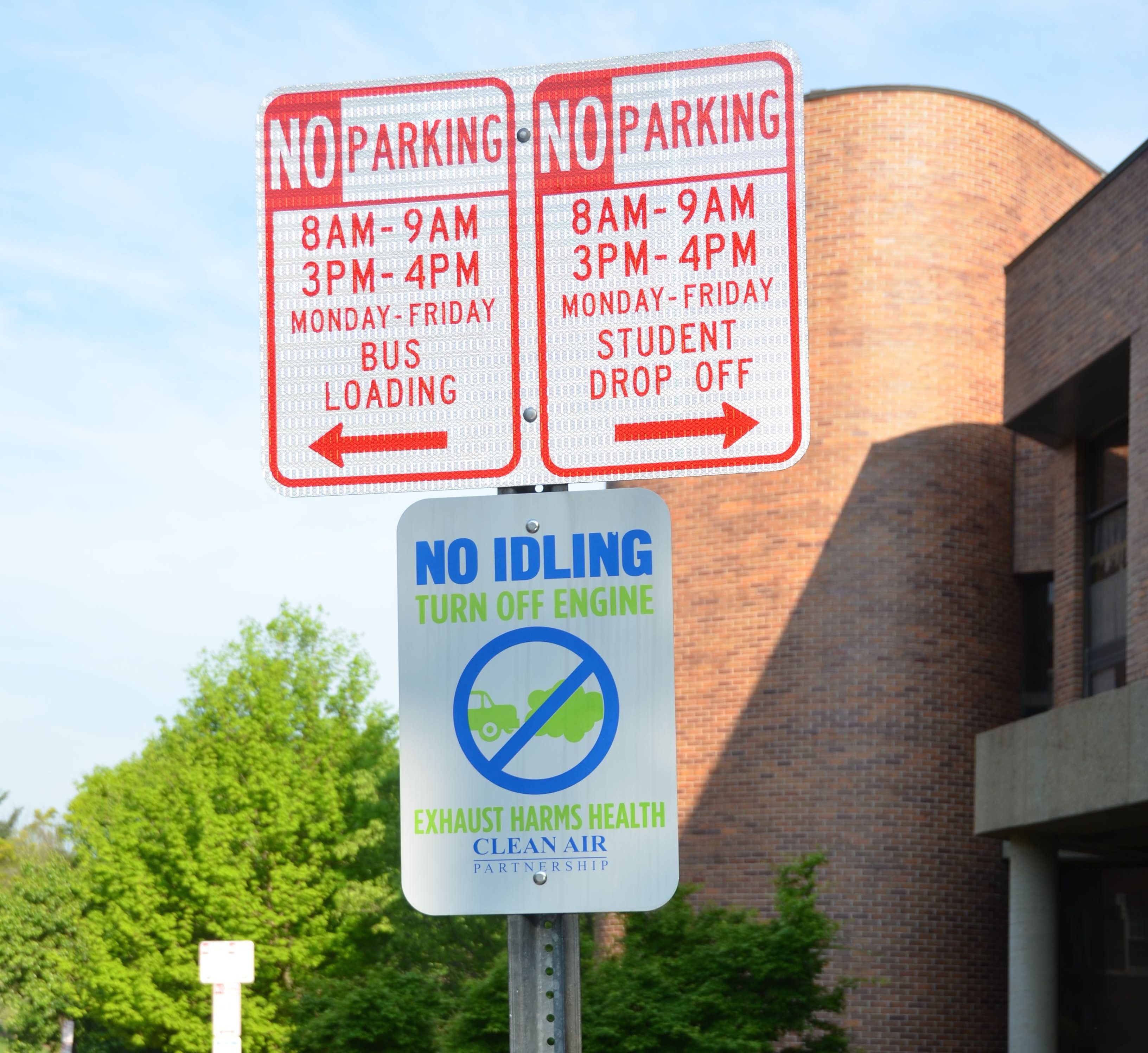
In an effort to curb the amount of vehicle idling in the St. Louis metropolitan region, the Clean Air Partnership’s “Turn Your Key, Be Idle-Free” campaign helps encourage area businesses, schools, governmental entities and other organizations to implement No Idling Policies and post No Idling signs, demonstrating their continued commitment to helping our community “Be Idle-Free.” The Partnership also provides customized bookmarks and rack cards at no charge for organizations to put on display for informational purposes.

If you represent a business, government entity, school or other organization, consider engaging your constituents in making the pledge to “Turn Your Key and Be Idle-Free” by placing no-idling signs in your parking lots, near bus and carpool lanes, passenger drop-off lanes, delivery areas or any other location where idling is an issue. By working together, we can help eliminate unnecessary idling to improve overall lung health in the region!

To request a no-idling sign, contact Susannah Fuchs of the Clean Air Partnership at 314-449-9149, or via email at [email protected]. For more information on other anti-idling initiatives and additional steps you can take to do your share for cleaner air, visit our website, like us on Facebook or follow us on Twitter @gatewaycleanair.

Five Reasons You Should Care About Air Pollution

Even as concerns related to the ongoing coronavirus pandemic remain top of mind, there is no doubt that air pollution is also a global public health emergency to be conscious of during the remaining weeks of summer when the potential for poor air quality conditions is higher. In recent weeks, the St. Louis metro area has seen its fair share of scorching temperatures and a related increase in the number of days when the air quality has been in unhealthy ranges, particularly for those sensitive populations who are more vulnerable to ozone pollution.

While ozone is not visible to the naked eye, the fact that it can negatively affect one’s health is crystal clear; and those effects can be from both short-term and long-term exposure to ozone pollution. With that in mind, here are five important things to consider when it comes to air pollution:

  1. Children, older adults and those with existing lung conditions are most at risk. Children and the elderly with developing or weakened immune systems are at greater risk from breathing in polluted air. According to the American Lung Association’s 2020 State of the Air report, nearly 22 million adults age 65 and over and 34.2 million children under age 18 live in counties that received an “F” grade for at least one pollutant. Likewise, more than 2.8 million seniors and 5 million children live in counties failing all three tests.
  2. Nearly five in ten people live in counties with unhealthy levels of ozone pollution. Heat and sunlight combined with hydrocarbons and nitrogen oxides emitted by automobiles, smokestacks and other sources react and form a dangerous ground-level layer known as ozone (smog) that is harmful for everyone to breathe. A shocking 150 million Americans live in 257 counties that are breathing in this unhealthy air. Here in St. Louis, we ranked 28th in the nation overall for most ozone-polluted cities.
  3. Where you live matters. Studies show that many different pollutants along busy highways may be higher than in the community as a whole, increasing the risk of harm to people who live or work near busy roads. Exposure to traffic pollution can cause asthma attacks in children and a wide range of other effects including poor cognition, impaired lung function, increased risk for dementia as an adult and even premature death.
  4. Air pollution and poverty go hand in hand. Growing evidence shows that people who have low incomes may face higher risk from air pollution. For example, pollution sources tend to be located near disadvantaged communities, increasing exposure to harmful pollutants. More than 18.7 million people in the U.S. with incomes meeting the federal poverty definition live in counties that received an “F” grade for at least one pollutant.
  5. You can take action for cleaner air. With the risks from airborne pollution being so great, the Clean Air Partnership encourages area residents to continue their efforts to take voluntary steps to reduce emissions as those actions play a critical role in improving air quality conditions. Walking and biking instead of using a vehicle for short trips, telecommuting, avoiding vehicle idling, as well as carpooling and taking transit once it is again safe to do so can all greatly impact the amount of ozone-forming emissions generated on any given day.

The more you know about the air you breathe, the bigger the difference you can make to help people across the St. Louis region breathe easier. To learn more about health effects of exposure to air pollution and actions you can take to reduce emissions, visit our website at www.cleanair-stlouis.com, like the Clean Air Partnership on Facebook or follow @gatewaycleanair on Twitter.

Spotlight On: Meridian Village – Lutheran Senior Services

Even in the midst of the ongoing pandemic, various local businesses, municipalities and individuals across the St. Louis metropolitan area are working hard to become better stewards of the environment, and the Clean Air Partnership is recognizing those that continue to pave the way for a more sustainable future. This month, we are delighted to shine a spotlight on Meridian Village-Lutheran Senior Services for their noteworthy green achievements and innovations that are helping clear the air in the region.

Meridian Village, a vibrant senior living community located in Glen Carbon, Ill., focuses on an approach that puts people first. This guiding principle drives the organization to help every resident live a life free of worry and full of opportunity. As a proud participant of the St. Louis Green Business Challenge, Meridian Village continues to set the standard for senior living facilities going green and taking action to reduce environmental impact. During the 2019 Challenge, the organization received the Star Circle of Excellence Achievement Award and secured the third place title at the Leader Level – Owner Category.

With a commitment to make sustainability the core of their community culture, Meridian Village formed a Green Team comprised of residents and the Staff Director of Operations to assess and address residents’ sustainability interests and needs. The team developed materials and staffed collection stations to educate employees and fellow residents about plastic bag recycling and reducing contamination in the single stream. Other sustainability learning opportunities included guest presentations on recycling and carpooling from the EarthWays Center and RideFinders, an ENERGY STAR webinar viewing, and various field trips to the Missouri Botanical Garden and Watershed Nature Center for an up close and personal educational experience.

To further reduce environmental impact, the organization implemented special recycling support services, including an outreach program to evaluate recycling efforts and educate participants individually, as well as a “homebound pickup” service for physically disabled residents who still wish to participate. Group travel on company vehicles has also been an efficient option for both human energy and fuel use, including bus shuttles to grocery and other shopping locations, resident outings and special events.

Additionally, Meridian Village consulted with Heartlands Conservancy about developing a pollinator garden to attract a variety of bees and help flowering native plants grow, which also positively impacts our air quality!

Other impressive innovations include controlling light-spill from the property and a light/sleep hygiene project completed last year that allowed light dimming at the facility at night. This not only encourages better sleep patterns for residents, but also reduces energy usage to help keep the air quality in healthy ranges.

For additional information on the sustainable efforts underway by Meridian Village-Lutheran Senior Services and how other organizations can get involved in the Challenge, subscribe to the bi-monthly E-Newsletter or visit www.stlouisgreenchallenge.com. To learn more about the link between sustainability and air quality, explore our website, like us on Facebook or follow us on Twitter at @gatewaycleanair.

Spotlight On: The Village of Godfrey

As the summer season heats up, the Clean Air Partnership continues to recognize various local organizations and municipalities that have worked hard to better the environment and create a sustainable way of life. Over the past decade, 233 businesses, municipalities and non-profits have participated in the St. Louis Green Business/Green Cities Challenge, influencing more than 155,000 employees and nearly 470,000 residents in total. This month, we are excited to shine a spotlight on the Village of Godfrey, Ill., for their ongoing sustainable efforts and green innovations that are having a great impact on the region’s air quality. 

During the 2019 Challenge, Godfrey was recognized with the Award of Achievement for their work in the Green Cities Challenge component of the programGreen Cities participants work with a menu of fundamental sustainability policy and action options geared toward greening municipal business operations, including various resources to educate and engage residents. 

Founded in 1991, the Village of Godfrey is one of Illinois’ newest municipalities and has been rapidly developing in recent years. While practicing sustainability is good for the environment, it’s also good for the municipal budget bottom line, which is a win-win for the Village of Godfrey. The village partnered with Grow Solar Metro East to promote clean, renewable solar energy for homes, business and farms in Madison, St. Clair and Monroe Counties. Godfrey also teamed up with Madison County to secure a Solar Parks Grant for Glazebrook Park to help offset the cost of high electricity usage for athletic fields and reduce emissions that lead to poor air quality.  

Additionally, the Village of Godfrey vowed to cut down on waste and go paperless in all village board meetings by using BoardDocs, which is a tool that allows users to access information and conduct meetings virtually.  

To further reduce environmental impact and lead local bars and restaurants down the path of sustainability, Godfrey hosted the Green Business Forum with Old Bakery Beer Company to emphasize the importance of composting all food waste and using energy efficient appliances.  

Among their many eco-friendly innovations to receive recognition in the Challenge is the institution of a Village Stormwater Committee to address flooding and erosion solutions that features green infrastructure methods. Since the committee identified the prevention of water pollution a top priority, the village partnered with Heartlands Conservancy to conduct the Piasa Creek Watershed Study and contribute to the forthcoming Watershed Plan. The plan will assist with flood risk management and long-term planning to repair the fish and wildlife habitat in the area. 

For additional information on the sustainable efforts underway by the Village of Godfrey and how your municipality can get involved in the Challenge, subscribe to the bi-monthly E-Newsletter or visit www.stlouisgreenchallenge.com. To learn more about the link between sustainability and air quality, explore our website, like us on Facebook or follow us on Twitter at @gatewaycleanair. 

Beating the Heat This Summer to Help St. Louisans Breathe Easier

While the region continues to respond to the ongoing pandemic, and fewer automobiles on the roads are keeping emissions at bay as many workers continue to telecommute to minimize the spread of COVID-19, warmer temperatures are signaling a higher risk of poor air quality conditions in the bi-state area. Having already experienced more “orange” days earlier in the ozone season than last year, the importance of keeping the region’s air clean is at an all-time high as weather conditions continue to play a significant role in our region’s daily air quality.

Over the last several decades, cities all across the nation have made significant strides in cleaning up harmful air pollution; however, the American Lung Association’s 2020 State of the Air report reveals that many communities are still breathing unhealthy air. The three years covered in this year’s report (2016-2018) ranked among the five hottest years on record globally, and that climate change poses current and growing threats to protecting human health.

Many areas in the United States – including the St. Louis metropolitan region – produce enough ozone during the summer months to cause health problems that can be felt right away. Immediate problems include shortness of breath; wheezing and coughing; asthma attacks; increased risk of respiratory infections; increased susceptibility to pulmonary inflammation; and increased need for people with lung diseases, like asthma or chronic obstructive pulmonary disease (COPD), to receive medical treatment or go to the hospital. Studies also show that long-term exposure to ozone and particle pollution may increase the risk of premature death.

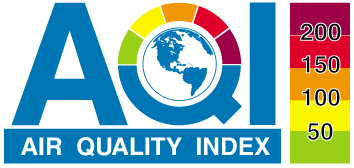
The Clean Air Partnership releases daily air quality forecasts that are color-coded to let residents know what the air quality will be during the summer months. Signing up to receive the air quality forecast via email at www.cleanair-stlouis.com helps to ensure area residents know what the next day’s air quality will be and if they should alter their outdoor activities to minimize exposure to polluted air, particularly on orange or red “ozone action days.” These warnings are especially important for sensitive populations, including children and teens, anyone 65 or older, people who work or exercise outdoors, and those with existing lung or cardiovascular disease.

Given that transportation-related emissions have always been one of the biggest contributors to air pollution, the Partnership encourages area residents to do their share for cleaner air by choosing not to idle your vehicles, avoiding topping off your gas tank, telecommuting and combining errands into a single trip. Carpooling, ridesharing and taking advantage of the region’s public transit system as people continue transitioning back to commuting to work can also greatly impact the amount of ozone-forming emissions on any given day and improve lung health overall.

For more information and a host of additional tips for taking action to clear the air this summer, visit our website at www.cleanair-stlouis.com, like the Clean Air Partnership on Facebook or follow @gatewaycleanair on Twitter.


Spotlight On: Forest Park Forever

As we prepare to settle into summer when the importance of taking action to help keep the air clean is at an all-time high, we’re continuing to recognize local businesses and organizations that have gone to measurable lengths to reduce environmental impact through their participation in the St. Louis Green Business Challenge. Like the Clean Air Partnership, Forest Park Forever is proud to keep sustainability and conservation at the forefront of their work, and this month, we’re thrilled to shine a spotlight on the organization for their commitment to make clean air a priority throughout their business practices.

A private nonprofit conservancy, Forest Park Forever has spent the last 34 years working to restore, maintain and sustain Forest Park as one of the nation’s greatest urban public parks, in partnership with the City of St. Louis and the Department of Parks, Recreation and Forestry. In the 2019 Challenge, Forest Park Forever received the Star Circle of Excellence Achievement Award and secured the second place title at the Leader Level – Owner Category for having the greatest gain from their baseline to final point totals.

From identifying strategic sustainability wins within restoration projects to encouraging today’s youth to connect to nature, Forest Park Forever considers this work vital to their mission and the future well-being of Forest Park and all green spaces. The organization has led major fundraising efforts to restore many landmark destinations in Forest Park, such as the Emerson Grand Basin, the Boathouse and the Jewel Box, including securing $139 million for Park restoration projects and an expanded endowment. Along with preservation of the park, they also provide information and guides for its 13 million annual visitors, as well as an array of educational opportunities for all ages.

Among Forest Park Forever’s impressive accomplishments to receive recognition in the Challenge is construction on the Forest Park East Waterways project, which is designed to enhance water quality, biodiversity, fishing habitat and access. Working with the Metropolitan St. Louis Sewer District (MSD), the project will remove thousands of gallons of water from the stormwater system. Late last year, Forest Park Forever also installed an 11,500-watt solar array to power the organization’s shop building. The new unit is expected to supply 40% of the building’s energy and yield about $1,200 in annual electrical savings!

Other noteworthy innovations include the construction of Forest Park’s new Nature Playscape, which is scheduled for completion later this year. The experiential Playscape will transform 17 acres of turf grass into family activity areas inspired by the region’s natural landscapes. Children will be able to explore eight natural activity areas including a meadow, spring, bottomlands and more. Adding hundreds of majority native trees and plants will help to improve the region’s air quality and reconnect families with nature, all while continuing Forest Park Forever’s work to restore sustainable landscapes.

To learn more about the link between sustainability and air quality, explore our website, like us on Facebook or follow us on Twitter at @gatewaycleanair. For additional information on the sustainable efforts underway by Forest Park Forever and how your company can get involved in the St. Louis Green Business Challenge, subscribe to the bi-monthly E-Newsletter or visit www.stlouisgreenchallenge.com.