As summer winds down and fall approaches, now is a good time to reflect on the state of air quality in the St. Louis region and remember that protecting clean air remains important year-round.
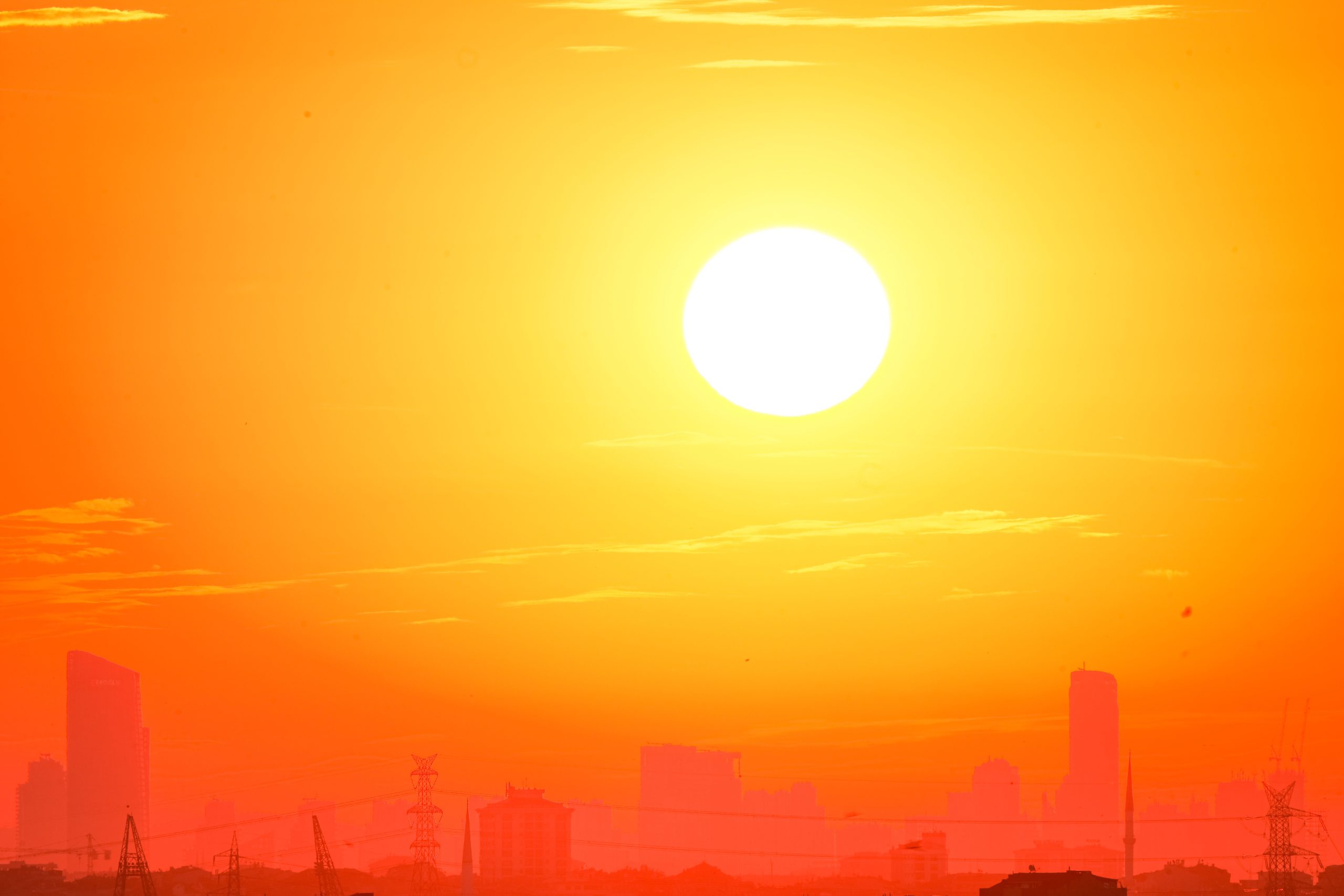
For much of the 2026 forecasting season, St. Louis experienced predominantly Good (green) and Moderate (yellow) air quality days. However, the region saw several stretches of above-average heat in late August and early September that contributed to elevated levels of ground-level ozone, the area’s most common summertime air pollutant. Those conditions contributed to a couple of Unhealthy for Sensitive Groups (orange) air quality forecasts during September, reminding us that warm temperatures and strong sunshine can quickly create unhealthy air conditions.
Ground-level ozone forms when emissions from vehicles, power plants, gasoline-powered equipment and other sources react in sunlight. Hot, stagnant weather can accelerate that process, increasing health risks for children, older adults, people with asthma and anyone who spends significant time outdoors. Here in St. Louis, we know all too well that ozone pollution remains one of the region’s most persistent air quality challenges.
While the region has made significant progress over the last few decades, there is still work to be done. Earlier this year, the American Lung Association released its 2026 “State of the Air” report which found that the St. Louis metro area ranked among the nation’s top 25 most ozone-polluted metropolitan areas, averaging just over 10 high-ozone days annually during the report period. All eight counties in the bi-state non-attainment area also received failing grades for ozone pollution. As the 2026 forecasting season continues through October, we’ll be interested to see how this year’s results compare.
The good news is that individual actions can make a difference. As temperatures cool, residents can continue supporting cleaner air by combining errands into fewer trips, carpooling, using public transit, avoiding unnecessary engine idling and postponing the use of gasoline-powered lawn equipment when air quality is poor. Conserving energy at home is another simple yet effective way to reduce emissions.
These efforts are especially important for sensitive populations, including children, older adults and individuals with respiratory or cardiovascular conditions. Even as ozone season begins to wind down, clean air should remain a priority. Cleaner air supports healthier communities, improves quality of life and helps protect the region’s most vulnerable residents.
This fall, the Clean Air Partnership encourages everyone to stay informed by continuing to check daily air quality forecasts and to take small steps that can lead to a healthier future for the entire St. Louis region. Together, we can build on the progress we’ve made and keep working toward cleaner air in every season!
To learn more about the connection between air quality and everyday actions, visit our website, like us on Facebook or follow us on X at @gatewaycleanair.