Daily air quality forecasting resumed May 1, marking the start of the 2026 season. At the same time, the American Lung Association’s latest “State of the Air” report shows that residents across the St. Louis region continue to face unhealthy air—even after decades of progress to reduce pollution.
The national report, which analyzes data from 2022–2024, finds that 44% of people nationwide—about 152.3 million individuals—live in areas with failing grades for ozone or particle pollution. While particle pollution has improved slightly, ozone pollution has worsened, affecting more people than in any of the past five reports and reinforcing the need for continued action.
In the St. Louis region, long-term trends show meaningful progress. In the late 1990s, the area averaged nearly 50 high-ozone days each summer. Today, that number has dropped to just over 10 days per year, reflecting the impact of cleaner technologies, stronger policies and community efforts.
Despite these gains, challenges remain. For the second consecutive year within the past decade, the St. Louis metro area ranked among the top 25 most ozone-polluted cities in the U.S., tying for 24th out of 226 metropolitan areas. The region is also ranked 31st nationally for annual particle pollution.
The report also points to growing climate-related pressures, including rising temperatures, drought and wildfire activity. These conditions contribute to more frequent high-ozone days and short-term pollution spikes, making it harder to maintain progress and increasing health risks.
Across the bi-state St. Louis non-attainment area, all eight counties received failing grades for ozone pollution. Ozone remains the most widespread air pollution concern in the U.S., affecting vulnerable populations the most, including tens of millions of children, older adults, and people with asthma or other respiratory conditions. Nearly half of all children in the U.S. are breathing unhealthy air, including almost 500,000 kids in Missouri alone.
As the summer air quality season gets fully underway, everyday choices can make a meaningful difference. Actions like adjusting travel habits, conserving energy and staying informed about air quality conditions help reduce pollution and protect those most vulnerable to unhealthy air.
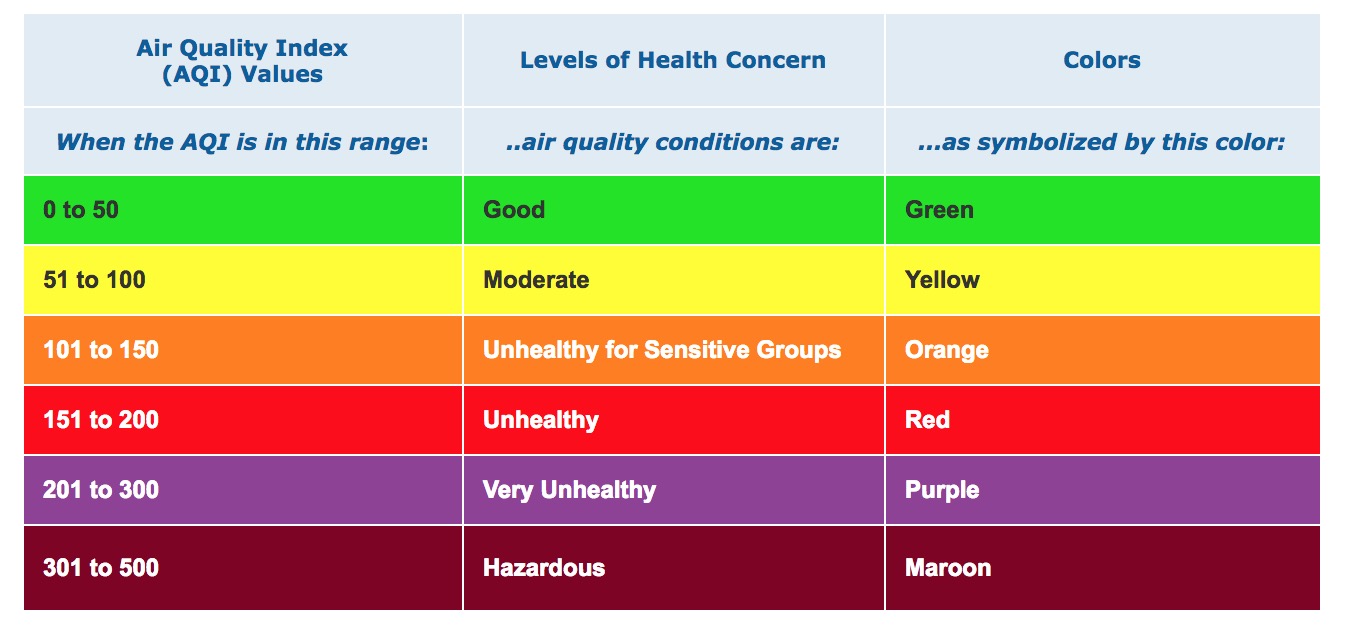
The Clean Air Partnership encourages area residents to check the daily, color-coded air quality forecast at CleanAir-StLouis and sign up for EnviroFlash alerts by email or text. Forecasts are also available on AirNow.gov, through First Alert 4 weather broadcasts and at FirstAlert4.com. Additional air quality tips, seasonal updates and helpful resources can be found at CleanAir-StLouis.com, or by following the Clean Air Partnership on Facebook or on X @gatewaycleanair.
To access the full American Lung Association 2026 “State of the Air” report, visit Lung.org.