
Celebrating 10 Years of Making Green Work for St. Louis Businesses

2019 marks the 10th anniversary of the St. Louis Green Business Challenge, a premier program that provides organizations all across the St. Louis region with a clear and measurable roadmap to more comprehensive green business practices. Like the Clean Air Partnership, this Challenge is focused on encouraging and inspiring voluntary steps to help improve the environment in the St. Louis region, including helping to clear the air, and in this milestone year we’re pleased to highlight the tremendous impact it’s having on the region.

The Challenge is a program of the Missouri Botanical Garden that helps businesses of all types and sizes to integrate “Triple Bottom Line” (fiscal, social and environmental) measures into the kinds of daily operations common to every business. As a part of the program, participants identify and adopt strategies that improve financial performance and engage employees in voluntary measures to reduce environmental impacts. Since its launch in 2010, 233 companies – representing more than 150,000 employees – have joined the Green Business Challenge. St. Louis’ ongoing commitment to sustainability is reflected in the numbers, with 47% of these companies participating for three or more years; a Green Decade Honor Roll of 13 companies have been engaged for the entirety of the program’s existence.

In 2018, a total of 59 companies, non-profits, institutions, and governmental bodies participated in the St. Louis Green Business Challenge. Remarkably, 100% of these participants formed a Green Team to lead sustainability efforts, have implemented and/or continue to add energy efficiency measures, provided employee education toward greening both their workplace and home, and participated in workplace recycling of both single-stream materials and electronics. This year, the program will be filled with sustainable business learning and leadership resources, professional networking, b-to-b marketing opportunities, and recognition for superior green achievements.

The Green Business Challenge is broken down into four levels: Challenge Apprentice, Challenge Leader, Challenge Champion and Green Cities Challenge. Last year, Apprentice green teams adopted sustainability policies, converted to purchasing recycled-content office and janitorial paper products, installed high efficiency lighting and identified alternative transportation options. Challenge Leader participants work with a categorized, point-based scorecard to guide their choices of activity with the goal of achieving the greatest gain. Challenge Champion companies are those that have completed work with the Leader scorecard in past years and commit to continued implementation of deeper sustainability strategies, such as reducing energy use by at least 25% and striving toward a 75% or greater waste diversion rate. Finally, Green Cities Challenge participants address sustainability within the range of operational requirements unique to local governments.

At the completion of each St. Louis Green Business Challenge program year, scorecards and case studies are submitted and points are tallied to determine the overall winners. To honor achievements across the program’s multiple levels of participation there are several award categories, including the Award of Achievement, Award of Merit, Innovation Award, Circle of Excellence, and Star in the Circle of Excellence. Top finishers last year at the Champion Level were Missouri Historical Society, UniGroup, Inc., Webster University, Ameren Missouri and Maritz. Merit Awards at the Leader Level were earned by Tarlton, St. Louis College of Pharmacy, COCA, World Wide Technology, Inc., and Forest Park Forever. Even the awards are sustainable, being made from materials like recycled cork and ultra-violet inks that do not include solvents or emit harmful greenhouse gasses!

For more information on how to get your company or municipality involved in the St. Louis Green Business Challenge/Green Cities Challenge, contact program manager Jean Ponzi at [email protected] or visit www.stlouisgreenchallenge.com. To learn more about the link between sustainability and air quality, be sure to check out our website, like us on Facebook or follow us on Twitter at @gatewaycleanair.

St. Louis Area Escapes Being Listed Among “Most-Polluted” U.S. Cities

The American Lung Association’s 2019 “State of the Air” report is out, and it reveals the number of people exposed to unhealthy air increased to nearly 141.1 million, rising from the 133.9 million in the years covered by the 2018 report (2014-2016). For the third consecutive year, the St. Louis region has escaped being ranked among the top 25 most-polluted cities in the U.S., but the fact that many counties in the St. Louis metro area still had multiple days when the air quality was unhealthy means that there is still much work to be done to protect our local communities from the growing risks to public health resulting from increased levels of ozone and particle pollution.

Far too many cities across the nation saw an increased number of days when ground-level ozone reached unhealthy levels and particle pollution soared to often record-breaking levels in some areas. Altogether, 43.3 percent of the population is exposed to unhealthy levels of air pollution, and while we may not be among the most polluted cities in this year’s ‘State of the Air’ ranking, poor air quality remains a problem that affects everyone in the St. Louis area.

The report reveals that as climate change continues, cleaning up these pollutants will become ever more challenging, ultimately making it harder to protect human health. Increased heat in 2017, the third warmest year on record in the U.S., likely drove this increase in ozone as warmer temperatures stimulate the reactions in the atmosphere that cause ozone to form.

“As we prepare to settle into summer when we’re at greater risk for higher levels of ozone pollution in our region, it’s important to keep in mind children, older adults and those who suffer from lung diseases that make them especially vulnerable to poor air quality,” said Susannah Fuchs, Director, Clean Air for the American Lung Association in Missouri. “While the fight for cleaner air presses on, we encourage area residents to remain steadfast in their efforts to take voluntary steps to reduce emissions because those actions play a critical role in improving air quality conditions and lung health of our region.”

The 2019 air quality forecasting season commenced on May 1st, along with the Clean Air Partnership’s seasonal outreach to educate St. Louis residents on the health effects of air pollution and the steps they can take to keep air quality in healthy ranges. With transportation-related emissions being one of the biggest contributors to air pollution, actions like taking transit, carpooling, vanpooling, telecommuting, avoiding idling our vehicles and combining errands into a single trip can help reduce emissions when poor air quality is forecasted.

For additional information on the health effects of poor air quality and tips for doing your share for cleaner air, visit www.cleanair-stlouis.com, like the Clean Air Partnership on Facebook or follow @gatewaycleanair on Twitter. To access the American Lung Association’s 2019 State of the Air report, visit www.lung.org.

Live Every Day Like It’s Earth Day to Do Your Share for Cleaner Air

Spring is in full bloom and that means it’s almost time to roll out the green carpet in honor of Earth Day. What started nearly 50 years ago as a day of education about environmental issues has since grown into a global celebration focused on promoting green living and driving the public to take action on environmental causes.

While many individuals typically spend their time on Earth Day picking up trash, collecting recyclables, planting flowers, and getting outside to enjoy the beauty of nature, there are countless ways to celebrate the holiday that can make a difference all year long. Thankfully, there are a wealth of resources available to people all across the St. Louis region for celebrating Earth Day every day – not just on April 22 – by incorporating a few simple lifestyle changes into their daily routines that the planet and their health will appreciate.

For starters, the region’s public transit system, ridesharing and bike-sharing services are all great alternatives to driving alone that are intended to eliminate the use of multiple vehicles on the road. Give your car the day off this Earth Day and plan to walk, bike or ride Metro to help reduce auto emissions and keep the air quality in healthy ranges. Ridesharing services such as Uber and Lyft match drivers of private vehicles to those seeking transportation and are a well-designed option for group outings. To practice greener living year-round, consider leaving your car at home just 2 days out of the week and catching a ride in the morning with friends or coworkers to save 1,600 pounds of greenhouse gas emissions annually! RideFinders, the regional ridesharing agency, can also help individuals find carpool or vanpool partners to share the ride.

The good work for our planet doesn’t have to stop there as this year marks the 30th anniversary of the St. Louis Earth Day Festival. This treasured community tradition provides area residents the unique opportunity to learn about sustainable products and services offered by local businesses and organizations, meet local area non-profits that share Earth Day values, as well as enjoy local entertainment and the best eats from Green Dining Alliance restaurants. The Muny grounds in Forest Park will once again be home to the highly anticipated event April 27-28. Attendees are guaranteed to leave a little more inspired about real progress being made to preserve the Earth and a little more connected to those on the front lines.

Earth Day 2019 is the perfect opportunity to get involved with your community, celebrate the planet we live on and give back to it to help create a better world for generations to come. To learn more about the link between living greener and our air quality, visit our website tips section at www.cleanair-stlouis.com, like us on Facebook or follow us on Twitter at @gatewaycleanair.

Travel Smarter to See the Birds on the Bat in 2019

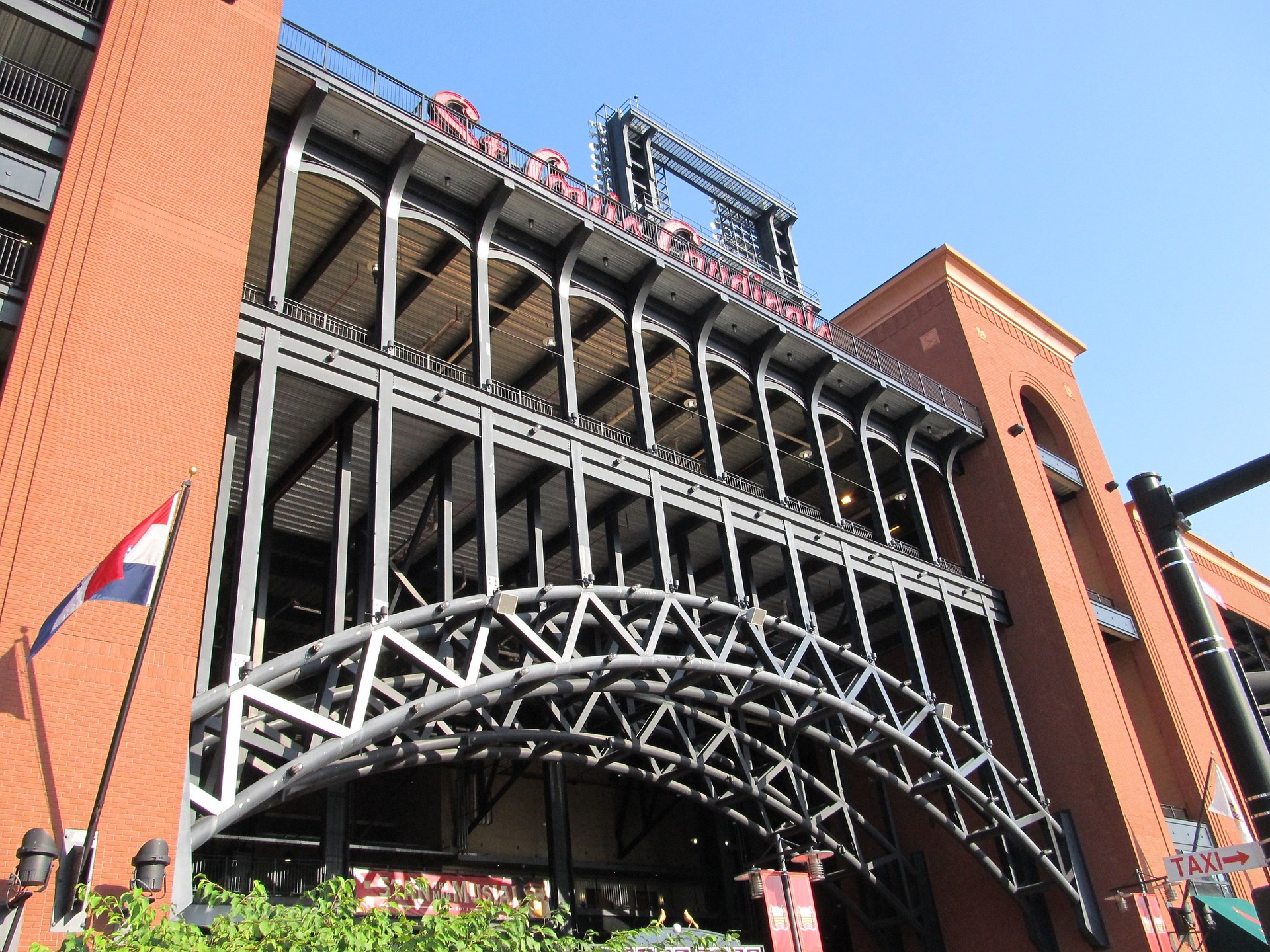
As the Redbirds prepare to return to Busch Stadium on Thursday, thousands of baseball fans will flock to the streets of downtown St. Louis to celebrate the highly anticipated home opener. Although there will be lots of food, fun and entertainment for families and fans both inside and outside the stadium throughout the day, the festivities aren’t such a party for the environment.

Fortunately, there are plenty of resources available to help members of the St. Louis community take voluntary steps that can improve the quality of the air we breathe, starting by taking advantage of the alternative transportation modes the city offers for game day travel. Here are just a few of the many ways that people in the St. Louis region can reduce emissions to help keep the air quality in healthy ranges this baseball season:

  • Metro Transit – MetroBus and MetroLink are always great options for getting downtown on game day. Catch the #40 North Broadway or #99 Downtown Trolley routes, which both have stops near Busch Stadium, or ride on any one of 19 MetroBus routes to the Civic Center Transit Center, which is located a few blocks west of Busch Stadium. Otherwise, leave your car at any one of 21 free Park-Ride lots located at MetroLink stations in Missouri and Illinois, purchase a $5 round-trip MetroLink ticket and ride to the Stadium MetroLink Station to get to Busch Stadium, Ballpark Village and Kiener Plaza. You can also take MetroLink to one of the other five downtown MetroLink stations to enjoy pre-game rallies and activities while cutting down on harmful auto emissions.
  • Redbird Express – Fans in St. Clair County, Ill., can also take advantage of the Redbird Express, a popular special bus service provided by SCCTD that served more than 100,000 passengers in 2018 and is ready for another year of record-setting attendance! The Redbird Express takes the stress out of game day traffic, bridge construction, parking, gas expenses and more by allowing game-goers to sit back and enjoy the ride to and from the game. Busses depart from St. Clair Square near the water tower 2.5 hours before game time with the last bus leaving one hour before the game begins, dropping off and picking up fans just steps away from the stadium’s gates. Fares are $5.00 per adult and $2.00 for children ages 2 thru 12.
  • Ridesharing – Ridesharing services such as Uber and Lyft match drivers of private vehicles to those seeking transportation and are a great option to eliminate the use of multiple vehicles. With transportation-related emissions being one of the biggest contributors to air pollution, you can do your share for cleaner air by opting for a ridesharing service to get you to the ballpark to cut down on the number of vehicles on the road, which ultimately leads to fewer automobile emissions, reduced traffic congestion and improved air quality. You’ll also avoid having to pay to park!

For more great tips on how to enjoy a greener game day experience and achieve cleaner air all year long, visit https://cleanair-stlouis.com/air-quality-tips/, like us on Facebook or follow us on Twitter at @gatewaycleanair. GO CARDS!
Spring Into the New Season with Air-Quality Friendly Habits

As we prepare to welcome a new season, the days are getting longer, weather is getting warmer and the sunshine is chasing what’s left of the winter blues away. Spring is in the air, and while warm weather activities that we’ve longed for are great fun, increased temperatures can also lead to a greater risk of poor air quality conditions.

Thankfully, all it takes is a few small changes to incorporate sustainable and eco-friendly choices into our day-to-day routines. Here are some helpful tips to consider for living a greener lifestyle this spring and working to improve the region’s air quality:

  • Walk, Bike or Take Public Transit – When weather conditions are favorable, replace car trips with walking, bicycling or using public transit to help reduce air pollution. Area residents can also take advantage of other options such as carpooling or vanpooling to reduce the number of solo commutes this spring. Fewer vehicles on the roads and highways means fewer automobile emissions, reduced traffic congestion and improved air quality.
  • Greening Your Cleaning – By making environmentally conscious choices in the way you clean this spring, you’ll make your home (and the planet) a healthier place to live and breathe for all. Consider creating your own products by mixing a little warm water with either baking soda or white vinegar for the perfect all-purpose cleaner. You can take green cleaning one step further by opting for rags from cut up old clothes, towels, or sheets that can be washed and reused any time instead of paper towels to reduce waste and save money on paper products.
  • Clear Out the Clutter – Spring cleaning is the perfect time to go through closets and get rid of the things you no longer need or use. Rather than dumping everything into plastic trash bags, take a few extra minutes to dispose of them responsibly and sustainably. Keep items out of overcrowded landfills by asking family and friends if they have use for any of your unwanted items or donate them to charity!
  • Make Your Cookout a Greener Event – It wouldn’t be spring without spending time outdoors and dusting off the grill to enjoy a cookout. Charcoal grills, however, release about twice as much carbon dioxide per hour as gas grills do. You can do your share for cleaner air by using a gas barbecue grill instead of a charcoal one. Also, if you’re going with gas, invest in a high-quality, energy efficient model and make sure the gas tanks are refillable to cut back on cost and harmful waste.

There’s no better time to start practicing air-quality friendly habits than with a new season upon us. By implementing some of these tips into your everyday life, you can help people all across the St. Louis region breathe easier this spring. For more great tips on how to achieve cleaner air year-round, visit https://cleanair-stlouis.com/air-quality-tips/.

Celebrate Mardi Gras with Purple, Gold and GREEN

St. Louis is home to one of the largest Mardi Gras celebrations outside of New Orleans – and although a lot of fun, it isn’t such a party for the environment. Thousands of revelers will flood the streets of Soulard this weekend with festivities in full swing for the Grand Parade, and while green is one of the three prominent colors associated with Mardi Gras that you’ll see in the crowd, the event can be anything but.

Thankfully, there are a variety of ways to incorporate sustainability into your favorite Mardi Gras celebrations this year, and you might even be surprised at how simple. By adopting just one of many possible eco-friendly actions, you can have a significant impact on improving the region’s air quality and helping people all over St. Louis breathe easier. That’s something everyone can celebrate.

With transportation-related emissions being one of the biggest contributors to air pollution, Metro is making it easy for riders to get to the fun and festivities on Saturday, March 2 without having to get behind the wheel. For just $5, you truly can let the good times roll and avoid the hassles of parking and congestion by riding the special Mardi Gras MetroBus shuttles that operate every 10 minutes from 9 a.m. to 11 p.m. between the Civic Center MetroLink Station (near the Enterprise Center) in downtown St. Louis and the Mardi Gras venue. Doing so will reduce auto emissions to help keep the air quality in healthy ranges!

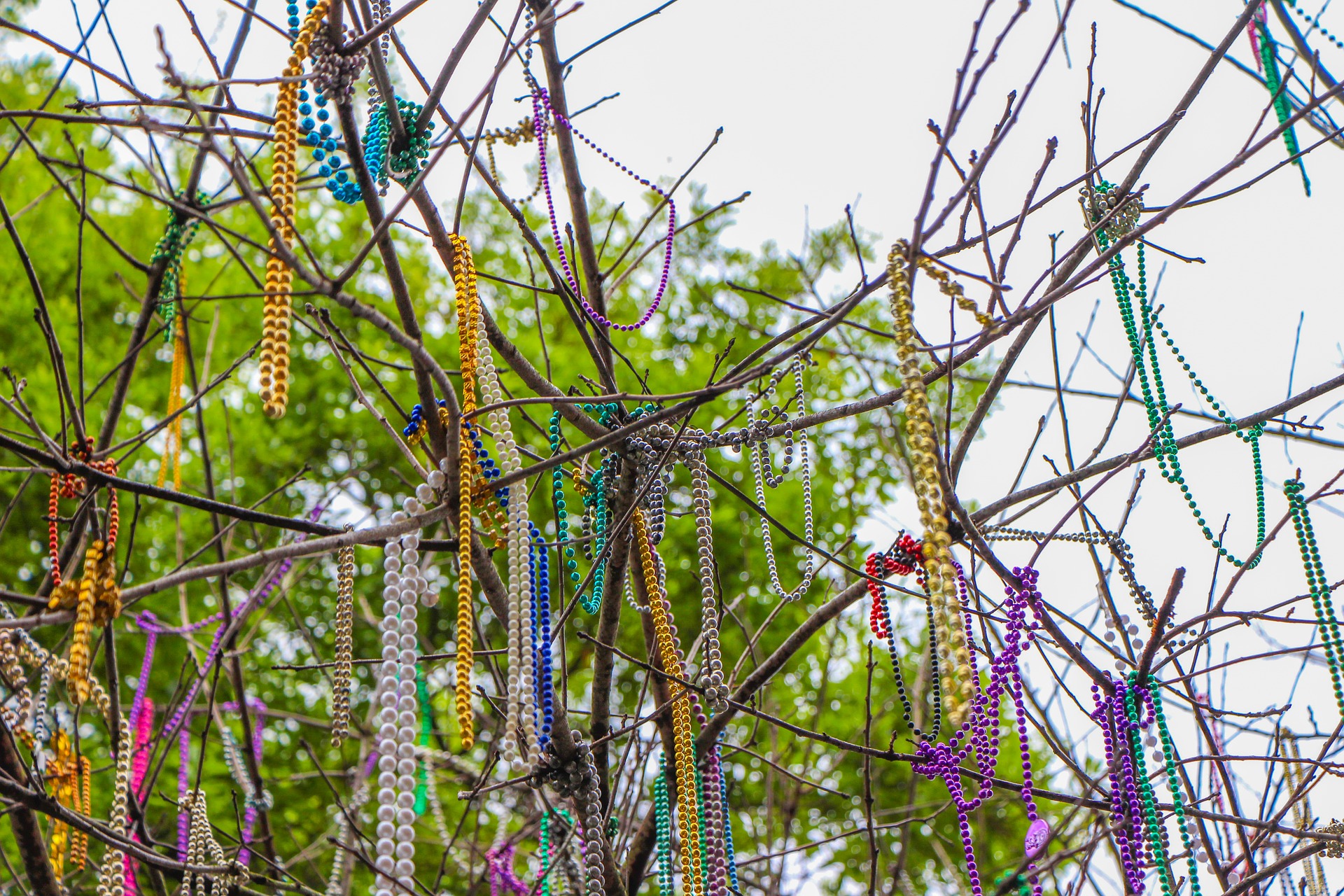
It wouldn’t be a proper Mardi Gras celebration without beads, but these traditional accessories made up of cheap plastic strings and other toxic materials can end up littering the streets or get thrown into trash cans. If you have a growing collection and don’t plan on saving them to use for next year, consider recycling your beads by dropping them off in a marked five-gallon bucket at one of the following locations: St. Louis Earth Day – Recycling Extravaganza, Soulard Farmers Market, Joanie’s and Joanie’s To Go, Shameless Grounds or Great Grizzly Bear.

Tons of trash in the form of non-biodegradable Styrofoam cups, aluminum cans and glass bottles typically get left behind on parade day also, eventually winding up in landfills. Rather than tossing these items in the trash or on the street, keep an eye out for recycling containers along the parade route to properly dispose of waste and ultimately reduce greenhouse gas emissions.

Do your share for cleaner air by keeping green in your mind and not just your wardrobe this Mardi Gras. To learn more about the link between living greener and our air quality, visit our website tips section at www.cleanair-stlouis.com, like us on Facebook or follow us on Twitter at @gatewaycleanair.

New Year, New Resolutions to Help Us All Breathe Easier

New Year’s Day is quickly approaching, and along with it, all those resolutions. Perhaps the best part of the New Year—besides the midnight toast—is getting to reflect on the past year and decide what changes you want to make as you move forward into the future. Making the choice to go green in the new year and resolving to adopt some eco-friendly actions will result in multiple positive changes to your wallet, your time, your health and the region’s air quality.

You just might be surprised at how truly easy it can be to incorporate sustainability into your everyday routine. By adopting just one of many green lifestyle changes, you can have a big impact on helping people all over the St. Louis region breathe easier in 2019. Here are a few simple New Year’s resolutions to consider to help improve the air quality:

  • Walk, Bike, or Take Public Transit – The region’s public transit system, ridesharing and bike-sharing services are all designed to eliminate the use of multiple vehicles on the road and offer great alternatives for the work commute or an option to hopping in your car for short trips. Any steps you can take to reduce your solo commuting this year by walking, biking or taking public transportation can reduce auto emissions to help keep the air quality in healthy ranges.
  • Properly Maintain Your Vehicle – Steps like checking engine performance, keeping tires properly inflated, replacing air filters every three months and changing oil regularly are all ways to become more environmentally friendly in the new year. Routine maintenance helps reduce emissions and fuel consumption, saving money at the pump and cleaning the air.
  • Think globally, buy locally – Locally grown food has countless benefits to offer and helps to reduce environmental impact. Imported food is often shipped hundreds and sometimes even thousands of miles to arrive at the supermarket. The greater distance the food has to travel the more fossil fuels are consumed. Buying local produce reduces the amount of travel time for big transport trucks, ultimately improving the air quality by cutting back on air pollution and greenhouse gas emissions.
  • Clean Greener – Clean your home with non-toxic and natural cleaning products in the new year to avoid the harmful side effects. Create your own products by mixing a little warm water with either baking soda or white vinegar for the perfect all-purpose cleaner. Also, when replacing cleaning products, don’t just throw the old ones in the trash. If they’re too toxic for your home, they won’t be good for the drain or the landfill either.
  • Green Your Home by Recycling – Recycling is an important part of going green by keeping waste out of landfills and turning glass, paper, plastic and other items into new materials. Set up separate recycling bins in your home so it is easy for all family members to participate and consider purchasing recycled products to help clean the air.

    For more great tips on how we can work together to achieve cleaner air in 2019, visit www.cleanair-stlouis.com/air-quality-tips/,  like us on Facebook or follow us on Twitter at @gatewaycleanair. Have a happy and healthy New Year!
It’s the Most Wonderful Time of the Year to Go Green

While the holidays are meant for appreciating time spent with family and friends, our impact on the environment and air quality can be overlooked in the midst of all the gatherings this time of year. From Thanksgiving to New Year’s Day, household waste such as food, holiday cards, decorations, wrapping paper, bows, ribbons, and shopping bags increases by more than 25 percent. As a result, an additional one million tons of waste heads to landfills each week.

These statistics may come as a shock, but thankfully, there are a variety of ways to incorporate sustainability into our favorite holiday celebrations. The more people who participate in these energy and resource-saving activities, the greater and more positive effect they will have on our planet. With that in mind, here are just a few of the many ways you can go green for the holidays, celebrating to the fullest while minimizing any negative effects on the environment:

  • Send Out eCards and Recycle Old Cards Send holiday wishes to loved ones via ecards to save time, postage and trees. This is the optimal choice not only because there’s no paper needed, but also because there’s no delivery vehicle involved that contributes to harmful greenhouse gas emissions. Consider reusing the fronts of old cards as holiday postcards or gift tags.
  • Choose Greener Travel Options If possible, consider traveling by bus or train to your destination. These are the greenest options and can offer a certain level of convenience, particularly if the weather and roads are bad along your travel route. If you must fly, check to see if you can get an affordable nonstop flight to help improve the air quality by cutting back on carbon emissions that come from takeoff and landing.
  • Gift Differently – Consider giving a homemade gift such as a knit scarf, painting, homemade bath bomb, jar of jam or other tasty seasonal treats to loved ones this year. Gifting a used item from a second-hand shop or looking for items in your own home for a holiday exchange are also great ways to cut back on cost and green your holiday shopping.
  • Shop with Reusable Bags Holiday shopping is great fun but also a huge producer of plastic shopping bags. Keep reusable bags in your car so they’re always available and you don’t have to worry about forgetting them at home. Using and reusing cloth bags can help to clean the air by reducing the thousands of bags that end up in landfills.
  • Use Eco-friendly Wrapping Alternatives Newspapers, old posters, maps and reusable gift bags all are great ways to present your gifts this holiday season. Scrap fabric lying around the house also makes for beautiful, personal, and unique gift wraps. If you choose to buy gift wrap, look for recycled content gift wrap paper whenever you can find it.

A few small changes are all it takes to give the gift of helping the St. Louis region breathe easier this holiday season. For more tips, visit www.cleanair-stlouis.com, like us on Facebook and follow us on Twitter at @gatewaycleanair.

Giving Thanks for Cleaner Air

As Thanksgiving quickly approaches, it is a special time to reflect on the many things to be grateful for this holiday season. We often think of being grateful for the many people and blessings in our lives — our families and friendships, health, career, a warm home, a Thanksgiving feast with loved ones, complete with cranberry sauce, mashed potatoes, gravy and turkey galore. Often overlooked in our society, however, is the quality of air we breathe every day.

As we plan out all the dishes that will be on our tables this year, it’s also important to consider the impacts that certain holiday traditions have on the planet. This Thanksgiving consider giving your holiday celebration extra meaning by making your day of thanks a greener and more eco-friendly one. A green Thanksgiving will enrich your family’s holiday experience by reducing the impact on the environment as you do your share for cleaner air. That’s something for which everyone can be thankful, but it’s particularly meaningful for children, older adults and those who suffer from lung diseases that make them especially vulnerable to poor air quality.

Start by sourcing as many of your ingredients as possible locally to help reduce emissions produced by transport trucks.  The less your produce has to travel, the less waste is produced, and the smaller the environmental impact. With so many friends and family gathered at the table for Thanksgiving dinner, it’s also not uncommon for regular plates, cups, napkins and silverware to be swapped out for disposables. Instead of buying tableware for one-time use, opt for your favorite set of dishes this year. While this may lead to a little extra time spent at the kitchen sink, this small change leads to a much bigger impact, helping the region breathe easier.

With the holiday season also comes the spending season where so many take advantage of Black Friday and other exclusive deals. The thought of a new computer or flat screen television for an unbeatable price might sound enticing, but the environmental impacts of consumer spending are tremendous. Rather than participate in the Black Friday mania this year, consider keeping your wallet and the environment happy by cutting back on unnecessary spending and eliminating all the extra auto emissions associated with running from store to store.  For those who can’t pass up the tempting Black Friday deals, consider online shopping from the comfort of your home. Doing so will help to reduce greenhouse gas emissions from consumer travel while delivery services optimize routes for fuel efficiency.

This Thanksgiving, when counting life’s blessings and listing those things to be grateful for, don’t forget to add clean air to the list. And thank you for all you do so we can all breathe easier. To learn more, visit our website tips section at www.cleanair-stlouis.com, like us on Facebook or follow us on Twitter at @gatewaycleanair.

Going Green This Spooky Season

It’s that time of year again where Halloween fun is right around the corner, but the holiday has become a bit scarier for the environment. From decorating our homes and painting pumpkins to hosting frighteningly fabulous parties and passing out loads of candy to trick-or-treaters, these popular traditions that we know and love can wreak havoc on the environment, and ultimately our air quality.

Rather than buying mass-produced products that take a lot of resources to manufacture, you can invest in quality costumes and decorations – or even make them yourself at home to last for years to come. Here are some helpful tips to consider for those upcoming spooky festivities without creating a nightmare for the planet and your wallet!

  • Rent, Swap or Make Your Own Costume – Total spending for Halloween is expected to reach $9 billion this year in the United States alone. Browse thrift shops, flea markets or gather some inspiration from your own closet instead to save money. Avoid buying store-bought costumes that are often made up of nonrecyclable petro-chemical based plastic and synthetic fibers that release harmful toxins in their creation and breakdown. Going for a greener option this Halloween will ultimately help to improve the air quality.
  • Choose Eco-Friendly Decorations — Make a dent in the waste this Halloween by creating your own homemade decorations with recycled household items. Also, use solar-powered or LED lights that will conserve energy, as will refraining from using inflatable ghouls and goblins that require electricity to operate. Doing so will help save on electricity costs and cut back on emissions to help clean the air.
  • Green Up Your Halloween Pumpkins – Remember to compost your pumpkins this Halloween to reduce harmful greenhouse gas emissions that result from rotting in landfills. Save the pulp from inside the pumpkins for pies, muffins, soup and other tasty recipes, as well as the seeds that make for a great fall snack when roasted with a little oil and salt!
  • Host a Green Halloween Party – Your party this year can be as Spooktacular as ever without negatively effecting the environment. Send out electronic invites instead of paper to guests to help save time, postage and trees. When shopping for supplies, look for recyclable or compostable plates, cups and utensils rather than the kind that end up in the trash and put out recycling bins for any bottles and cans.

By making sustainability a part of your Halloween celebrations, you can do your part to help the St. Louis region breathe easier. To learn more about the link between living greener and our air quality, visit our website the tips section at www.cleanair-stlouis.com, like us on Facebook or follow us on Twitter at @gatewaycleanair.