Committing to Cleaner Fall Air for America Recycles Day

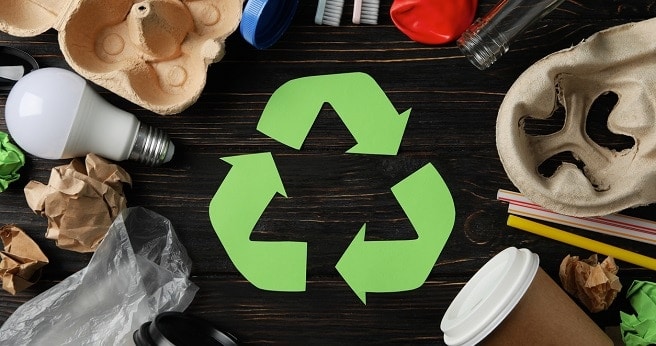
The sole nationally recognized day dedicated to promoting recycling in the United States comes at the perfect time – between Halloween and Thanksgiving – two holidays known for creating an excess amount of waste and having an adverse impact on the environment. Each year on November 15, millions of people across the nation take part in celebrating America Recycles Day, which is dedicated to raising awareness about the importance of recycling and purchasing recycled products. 

Though the national recycling rate has improved over the course of the past 30+ years to 32% of all waste disposal being recycled, there is still much work to be done. Therefore, during the 2020 America Recycles Summit, the Environmental Protection Agency (EPA) announced its first-ever National Recycling Goal to increase the national recycling rate to 50% by 2030. The agency recognized that collective commitments are best achieved when we have a common goal and has challenged businesses, communities and individuals to embrace this revolutionary goal to help collective efforts to improve the nation’s recycling system, create more jobs and conserve our natural resources. An added bonus of these efforts is the cleaner air that will result from a reduction in the need for power and for processing raw materials, which also reduces harmful air pollution. 

Here in the St. Louis region, area residents who are inspired by America Recycles Day to make a commitment to reduce, reuse and recycle in all aspects of daily life are also taking action for cleaner air. With that in mind, here are some helpful tips to consider for incorporating green into your day-to-day routine: 

  • Stay informed about recycling in your community – Understanding what can be recycled in your area is key to ensuring that anything you sort and place in your curbside recycling container with the intention of it being sent to your local recycling center actually makes it there. These items consist of obvious materials such as paper, plastic, glass and flattened cardboard, as well as less obvious materials, including most forms of metal and even food waste. For more details on what does and doesn’t belong in the blue bins, be sure to check out stlcityrecycles.com.    
  • Repurpose and reuse old items – In the general consumption of goods, we oftentimes ignore the fact that a major portion of our waste can be reduced or reused before resorting to recycling. Shopping at or donating to secondhand stores are great ways to prevent unwanted items from ending up in the landfill, reduce wastage of energy and resources on the production of new clothes and help save you money. With the holiday season upon us, gifting used items from a secondhand shop or using recyclable materials around the house like old fabric, maps, newspapers or magazines for gift wrap are also easy ways to significantly cut back on waste.

  • Ditch the plastic bottles – At this very minute, people around the world are buying a million plastic bottles, and most of these bottles will end up in landfills or in the ocean. Not only does the production of plastic water bottles contribute substantial amounts of greenhouse gases to the atmosphere, their litter lingers for years on end. Instead of buying single-use bottles, consider purchasing a reusable water bottle you can take with you and refill as needed to cut down on unnecessary waste and help improve air quality. If you still prefer a single-use water bottle, make sure it gets properly recycled once you’re finished with it. 

You can do your share for cleaner air and further commit to living a recycled lifestyle by taking the #BeRecycled pledge at americarecyclesday.org. For more great tips on how to achieve cleaner air year-round, visit our website, like us on Facebook or follow us on Twitter at @gatewaycleanair. 
Spotlight On: Granite City

While area residents can look forward to breathing a little easier during the remaining weeks of fall as cooler temperatures continue to blow through the region, the importance of keeping the region’s air clean still remains high. That’s why this month, we’re pleased to shine a spotlight on Granite City, Illinois, for their unwavering commitment to environmentally-conscious practices year-round to help keep the air quality in healthy ranges.

Given its central U.S. location and access to the Mississippi River, Granite City has become a prime spot for industrial growth and put forth several initiatives to make the city a better and more sustainable community for its citizens, both now and for future generations. These efforts are led by the city’s Cool Cities Committee, an advisory group of residents who work with the Granite City government to educate and encourage residents, businesses and organizations to build a cleaner and greener city. As a proud participant of the St. Louis Green Cities Challenge now for six consecutive years, the committee has enjoyed learning what other communities throughout the St. Louis metropolitan area are doing to improve their cities and continues to be inspired by their sustainable accomplishments.

During the 2020 Challenge, Granite City participated in the University of Illinois Extension’s Garden Grant Project, which allows students and nonprofits to get hands-on experience transforming outdoor spaces into gardens, creating an immersive and educational environment that also largely benefits the region’s air quality. Additionally, the city launched a Tree Inventory Project in 2020 that aims to grow trees as ecological, economic and social resources for the city.

Among their other impressive innovations to receive recognition in the Challenge is a partnership with Granite City Art and Design District and New American Gardening to conduct research to remedy flooding in the city by using landscaping as a natural means of storm management. Another partnership with Madison County Green Schools and Six Mile Regional Libraries helped to provide an educational project titled “Refuse, Reduce, Reuse, Recycle, and Rot” for local schools, which featured a poster contest in celebration of America Recycles Day for K-12 students to illustrate their artistic talent and “think outside of the recycling bin.”

Moreover, graduate students from Southern Illinois University Edwardsville helped Granite City conduct a Greenhouse Gas Inventory using ICLEI’s (Local Governments for Sustainability) ClearPath Tool. Not only did the students gather and analyze data, but they also formally presented their findings to the Granite City Council and Mayor Ed Hagnauer to help gauge a clearer understanding of the city’s overall emissions.

Last but not least, Granite City also reunited with the Grow Solar Metro East project, a collaboration between several local groups who pool their finances to make solar technology installation more affordable for homeowners and businesses in Madison, St. Clair and Monroe counties in Illinois. The 2020 program ended with 36 homes going solar, putting 401 kW of clean, renewable energy into the region!

For additional information on the sustainable efforts underway by Granite City and how your municipality can get involved in the Challenge, subscribe to the bi-monthly E-Newsletter or visit www.stlouisgreenchallenge.com. To learn more about the link between sustainability and air quality, explore our website, like us on Facebook or follow us on Twitter at @gatewaycleanair.

Spotlight On: Curium

With a company tagline of “Life Forward” that represents Curium’s commitment to securing a brighter future for its employees, partners and patients, the company values sustainability as a cornerstone in building an ethical and environmentally responsible business. Across all of Curium’s international locations, the world’s leading nuclear medicine company also believes in supporting the local communities in which they operate.

At the company’s North American headquarters in St. Louis, Curium was a proud participant in the 2020 St. Louis Green Business Challenge, with a focus on supply chain sustainability. During the 2020 Challenge, Curium earned the esteemed title of Challenge Champion for completing work with the Leader scorecard and committing to continued implementation of deeper sustainability strategies.

Among Curium’s impressive accomplishments to receive recognition in the Challenge was a project to reclaim and recycle spare parts throughout its facility to keep plastic, lead and other metals out of the landfills, while supporting thinking green in terms of “Reduce, Reuse and Recycle.” In doing so, the company reduced its overall stock and limited purchasing new items by reusing inventory, in addition to helping provide customers with a responsible way to dispose of shipping material.

Through a newly established company process to reclaim packaging materials and regulate waste, Curium used 26,754 reclaimed buckets last year during production and is predicted to use 27,832 reclaimed buckets this year, which is 91% reclaimed vs. new material. Furthermore, the company identified 25 parts from a machine in its facility no longer in use that could be repurposed in other machines. Upon completing a deeper inventory, an additional 123 spare parts were identified as recyclable, resulting in 3,026 lbs. of lead spare parts and 8,744 lbs. of copper spare parts that were sent off to Overland Lead to reuse and recycle.

Other noteworthy innovations include a company-wide transition to electronic purchase orders, which saves four hours of time each week organizing, filing and mailing off purchase orders and has helped to significantly reduce paper use. Rolling out this new system also grants the purchasing team the ability to work from home, which benefits the region’s air quality by keeping fewer cars on the roads and helping to reduce the amount of harmful greenhouse gas emissions emitted from motor vehicles.

The Clean Air Partnership is pleased to recognize the efforts of businesses such as Curium that continue to take action for cleaner air by channeling their time and energy towards practicing sustainability. For additional information on how your company can get involved in the St. Louis Green Business Challenge, subscribe to their weekly E-Newsletter or visit www.stlouisgreenchallenge.com. To learn more about the link between sustainability and air quality, explore our website, like us on Facebook or follow us on Twitter at @gatewaycleanair.
Ditch the Keys and Be Car Free to Reduce Your Carbon Footprint

It’s the time of year again where people all around the world are preparing to ditch their keys for Car Free Day on September 22 to help reduce traffic congestion and work towards creating a greener environment. Though our cars are convenient and offer a number of benefits, they also contribute a dangerous amount of pollution. Having a day off from driving is highly recommended to raise awareness about these concerns and to help reduce harmful emissions. 

Vehicle exhaust produces thousands of tons of toxic pollution, including nitrogen oxides and volatile organic compounds that contribute to the formation of ozone smog and particulate matter, which makes it especially hard for sensitive populations to breathe. As the nation and our region continue to navigate the ongoing effects of COVID-19, those same individuals are more at risk for severe disease than others, meaning that Car Free Day takes on additional significance during the current climate. 

Although Car Free Day is only a single day out of the year, the goal is to take heat off the planet and our lungs by alerting individuals of the impact traffic has on quality of life and to inspire lasting change to live more sustainably year-round, not just on special occasions. Thankfully, there are plenty of resources available for residents to ditch their keys and be car free to help take vehicles off area roads and reduce emissions that lead to poor air quality: 

  • Metro Transit – The region’s public transit system offers great alternatives for the work commute or an option to hopping in your car for short trips. Serving St. Louis City, St. Louis County and St. Clair County, Ill., Metro Transit allows riders to walk to a nearby stop, or park and take a train or bus, or a combination of the two, to get where they are going – safely, comfortably and conveniently. Those who live in Madison County, Ill., will find Madison County Transit to be another great alternative.  
  • Ridesharing – With transportation-related emissions being one of the biggest contributors to air pollution, RideFinders offers a path to reduce those emissions by providing a free carpool and vanpool ride matching service for commuters to help improve the overall quality of the air. By sharing a ride instead of driving alone, commuters can save money and enjoy a more relaxing trip. Ridesharing services such as Uber and Lyft match drivers of private vehicles to those seeking transportation and are another great option to eliminate the use of multiple vehicles. Earlier this summer, Metro Transit also launched a new, affordable shared-ride service called Via Metro STL, which allows passengers heading in the same direction to hail a vehicle directly from their smartphones using the Via app to get around parts of North and South St. Louis County.

  • Walk or Bike – Walking and biking are excellent ways to burn calories instead of burning gas! Not only do they serve as eco-friendly ways to run errands and get around town when weather conditions are favorable, but experts also note that if just 1% of those who drive chose to walk or bike regularly instead, automobile emissions would fall 2-4%.

  • Telecommute – According to the U.S. Census Bureau, more than a third of U.S. households reported working from home more frequently than before the onset of the pandemic. The power of telecommuting to reduce auto emissions was clear across the country and around the world as stay-at-home orders last year led to much lighter traffic and cleaner air in countless locationsWith the region being opened back up for business and traffic ramping up, so does the potential for increased emissions that contribute to ozone formation. For those that can work from home, continuing to telecommute at least occasionally is encouraged.  

You can do your share for cleaner air by taking the pledge to be car free on September 22 and beyond to help St. Louisans breathe easier. For a host of additional tips on how to achieve cleaner air all year long, visit our  website, like us on Facebook or follow us on Twitter at @gatewaycleanair.  
Back to School with Sustainability on the Brain

As summer winds down with area students already settled back in the classroom, cooler nights and more pleasant daytime temperatures will soon make their way to the region, meaning it’s less likely that the quality of the air we breathe will be top of mind. But given that St. Louis is ranked as one of the top cities in the nation for ozone and particle pollution, it’s important to not lose sight of the fact that there are various things we can be doing during the school year to help keep the region’s air clean all year-round.

The good news is all of us can take voluntary steps to reduce emissions by incorporating sustainable practices into our daily lives, and there are many actions parents and kids and college students can consider as part of their back-to-school routines to keep our air quality in healthy ranges:

  • Walk, bike or take public transit – When weather conditions are favorable, kids that live close to school can replace car trips with walking or bicycling to help reduce air pollution. Since fewer vehicles on the roads result in less pollution in the air, Metro is another great option for those who aren’t within walking distance to school. The region’s public transit system is designed so riders can walk to a nearby stop, or park and take a train or bus, or a combination of the two, to get where they’re going – safely, comfortably and conveniently. Metro also helps area students navigate to and from class with ease, with several local colleges and universities offering a customized Metro University Pass (U-Pass) that grants students and faculty unlimited use of the transit system at a reduced rate.
  • Nix bottled water – Did you know that up to 80 percent of single-use water bottles in the United States never get recycled? Not only does the production of plastic water bottles contribute significant amounts of greenhouse gases to the atmosphere, their litter lingers for years on end. Consider purchasing a reusable water bottle that can be filled up at any water fountain instead of throwing away a new one each time to cut down on unnecessary waste and help improve air quality.
  • Limit waste at lunch – When packing a lunch for school, opt for reusable sandwich containers rather than plastic zip-top baggies and consider investing in an eco-friendly, insulated lunch box instead of brown bags that get thrown in the trash anyways. Packing appropriately-sized lunch portions also helps to minimize food waste that typically ends up in a landfill where it rots and produces harmful greenhouse gases.
  • Go paperless when possible – Because we live in a digital world, there are many places we can opt out of using paper. Taking notes electronically during class helps to eliminate paper waste, which ultimately saves money and a substantial amount of energy that leads to cleaner air. Printing double-sided and using an online calendar or scheduler to keep assignments organized are also great ways to reduce paper consumption.

The Clean Air Partnership is proud to play a role in raising awareness about all the ways we can reduce environmental impact. To access a wealth of air quality information and tips designed to help area residents do their share for cleaner air, parents and students are encouraged to visit the tips section of our website at cleanair-stlouis.com, like the Clean Air Partnership on Facebook or follow @gatewaycleanair on Twitter.

Spotlight On: The Village of Godfrey

Even though summer is winding down, the St. Louis metropolitan area continues to experience sizzling summer temperatures, meaning the importance of keeping the region’s air clean remains high. Thanks to various local organizations and municipalities that have worked hard to better the environment and create a sustainable way of life, the Clean Air Partnership is pleased to recognize the Village of Godfrey for prioritizing environmentally conscious purchases and practices that help to enhance the community and benefit the region’s air quality.

Founded in 1991, the Village of Godfrey is one of Illinois’ newest municipalities and has been rapidly developing in recent years. Utilizing the flourishing area in ways that focus on sustainability is a top priority for both the leaders and residents of Godfrey. In 2020, the Village of Godfrey earned the esteemed Award of Achievement for their work in the St. Louis Green Cities Challenge, a program of the Missouri Botanical Garden. As a returning Challenge participant, Godfrey and eight other local Green Cities worked with a menu of fundamental sustainability policy and action options geared toward greening municipal business operations, including various resources to educate and engage residents.

Among their eco-friendly innovations to receive recognition in the Challenge was the recent move toward more responsible management of the village’s waste and emissions. In partnership with Madison County, the Village of Godfrey planned and executed an E-cycle event that granted residents the opportunity to recycle their electronic products no longer in use. When these electronics are not recycled, they release harmful chemicals into the environment that, according to the U.S. Environmental Protection Agency (EPA), account for approximately 70% of all toxic waste and represent 2% of the nation’s trash in landfills. Furthermore, Village Hall significantly reduced its paper waste by utilizing the electronic meeting management software “Board Docs” for paperless notes.

Transitioning to the use of renewable energy wherever possible is another way the community vows to reduce their overall environmental footprint. As a municipal sponsor of the Grow Solar Metro East program, the Village of Godfrey’s Climate Protection and Energy Efficiency Committee provides financial assistance in order to ensure significant discounts that make installing solar simple and more affordable for local property owners. During the 2020 Challenge, new solar panels were installed at Glazebrook Park, in addition to a solar ordinance being passed in the village to serve as a guide for the local government to support and encourage the development of solar energy systems. To further conserve energy, the village also updated its stormwater ordinance to include green infrastructure solutions and implemented zone scheduling street department projects to save on fuel and cut down on harmful greenhouse gas emissions.

For additional information on the sustainable efforts underway by the Village of Godfrey and how your municipality can get involved in the Challenge, subscribe to the bi-monthly E-Newsletter or visit www.stlouisgreenchallenge.com. To learn more about the link between sustainability and air quality, explore our website, like us on Facebook or follow us on Twitter at @gatewaycleanair.

Metro Transit Championing Cleaner Air in the St. Louis Region with New Electric Bus Fleet

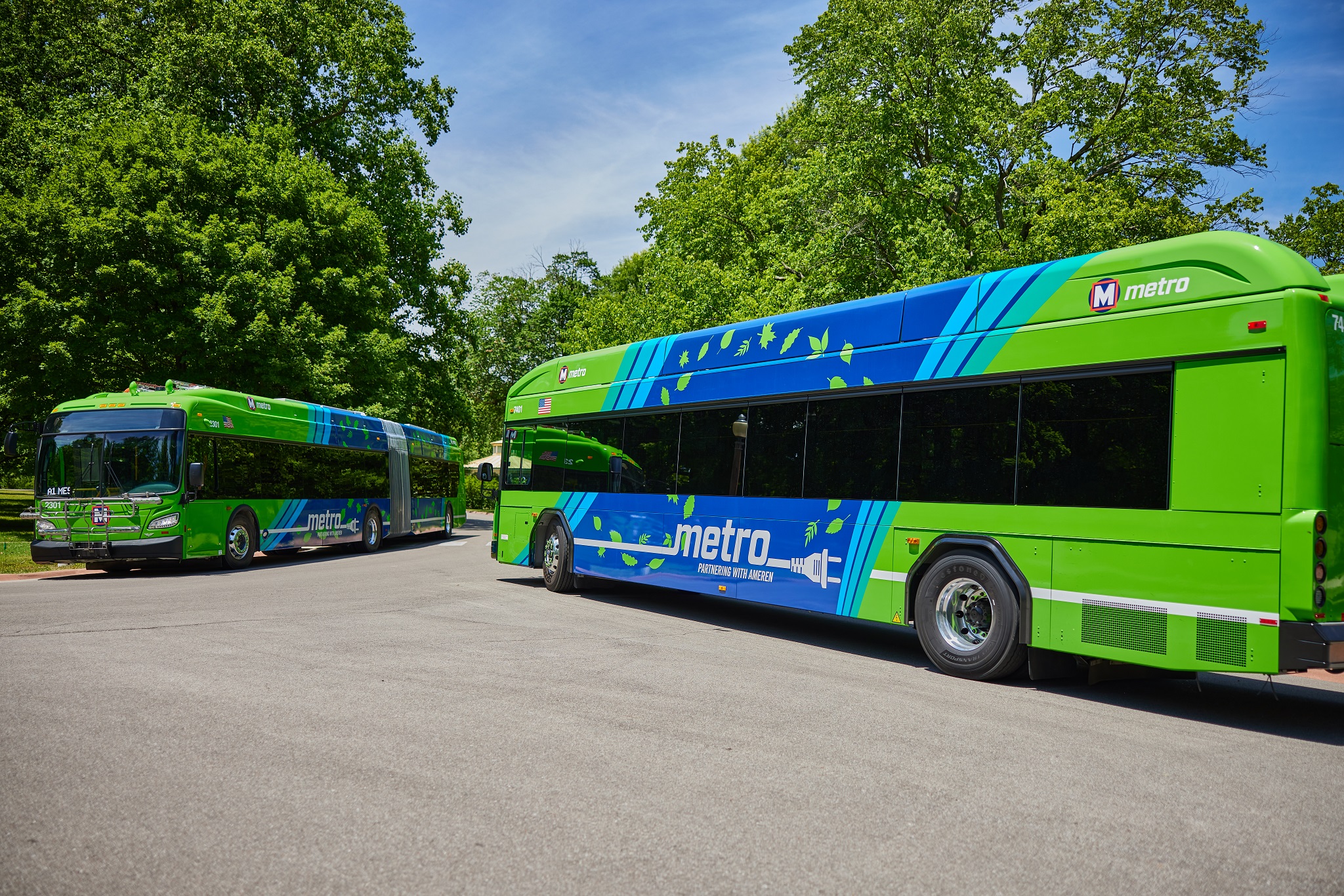
The Clean Air Partnership is pleased to serve a community where several local organizations are playing a crucial role in helping to provide options for area residents to take action to reduce emissions and improve air quality in the region. One that’s really proving to be a champion for clean air is Metro Transit – the St. Louis metropolitan region’s primary public transportation system – which recently launched one of the largest initial electric bus fleet deployments in the nation.

With a shared commitment to enhance the sustainability of the bi-state St. Louis region, representatives from Bi-State Development, Metro Transit and several partners and regional stakeholders recently gathered for the official launch of the first 18 electric battery-powered buses into service on the MetroBus system, which covers an area of about 550 square miles. The deployment was made possible by the Federal Transit Administration (FTA) and Metro’s collaboration with the Center for Transportation and the Environment, Ameren Missouri, GILLIG, New Flyer and Metro’s key transit partners – the City of St. Louis and St. Louis County in Missouri and St. Clair County in Illinois. Another six new buses will join the MetroBus battery electric fleet by the end of this year to provide additional economically and environmentally sustainable mobility options, further enhancing the overall transit experience for Metro riders.

The (14) 60-foot battery electric buses manufactured by New Flyer America will operate exclusively on the #70 Grand route, which is Metro’s busiest route and carries about 10 percent of its passengers on a daily basis. The (4) 40-foot buses made by GILLIG will provide service on a variety of MetroBus routes in the City of St. Louis and in St. Louis County.

Not only do electric buses provide financial advantages by reducing fuel and maintenance costs, but they also deliver numerous environmental benefits to the communities they serve. Altogether, Metro Transit estimates the new electric buses will reduce greenhouse gas emissions by 100 to 160 tons per year. Eliminating diesel exhaust emissions, particle pollution and other harmful pollutants that contribute to the formation of ground-level ozone and ultimately make it harder for individuals to breathe is an important investment for long-term lung health in the St. Louis region and a great step in the right direction for cleaner air!

The 60-foot battery electric buses will be charged while in service at the North Broadway-Taylor Transit Center in St. Louis, located at the northernmost end of the #70 Grand MetroBus route, and all buses will be charged every night at the Brentwood MetroBus facility in Brentwood. Ameren Missouri built a new substation next to the Brentwood MetroBus facility to serve the growing electric needs of Metro Transit and the surrounding communities. The $11.3 million investment upgrades the power supply to triple capacity and modernizes the energy system for the area.

For more information about Metro Transit’s journey to zero-emission mobility and its Electric Bus program, visit www.metrostlouis.org/electric-buses. To learn more about the link between sustainability and air quality, explore our website, like us on Facebook or follow us on Twitter at @gatewaycleanair.

Particle Pollution and Your Health

While cities all across the nation have made significant strides in cleaning up harmful air pollution over the last several decades, many areas in the United States – including the St. Louis metropolitan region – produce high enough concentrations of particulate matter that it can trigger illness, hospitalization and even premature death. With each new edition of the American Lung Association’s annual “State of the Air” report, the threat of deadly particle pollution continues to worsen and is responsible for upwards of 48,000 premature deaths in the U.S. every year.

In the three years covered by the latest report (2017-2019), close to 54.4 million people live in the 88 counties that experienced unhealthy spikes in particulate matter air pollution, which represents a million more people than in last year’s “State of the Air” and higher numbers than in any of the last five reports. Likewise, more than 20.9 million people – approximately 6.4% of the nation – live in one of the 17 counties where year-round particle pollution levels are worse than the national air quality limit. Among those areas that received a failing grade is St. Louis, which ranked in a four-way tie for 20th most-polluted U.S. cities by year-round particle pollution.

Particle pollution – also known as particulate matter – refers to a mixture of tiny bits of solids and liquids in the air we breathe. This comes from countless sources such as factories, power plants, diesel and gasoline-powered motor vehicles, and equipment that either directly emit fine particles or generate the precursors such as nitrogen oxides (NOx) that can form into fine particles in the atmosphere. Though low average daily levels of fine particles can be deadly in some cases, decades of research have firmly established that long-term exposure to particulate matter was associated with elevated risks of death from cardiovascular and respiratory causes, including heart disease, stroke, influenza and pneumonia. Research has also linked year-round exposure to particle pollution to a wide array of serious health effects at every stage of life, from conception through old age.

The good news is, however; cleaning up particle pollution does make a difference, and studies have shown a consistent relationship between decreased particle pollution levels in communities and improved respiratory health in both children and adults. Fortunately, the St. Louis region offers plenty of resources to help with this effort to improve the quality of the air we breathe and protect lung health.

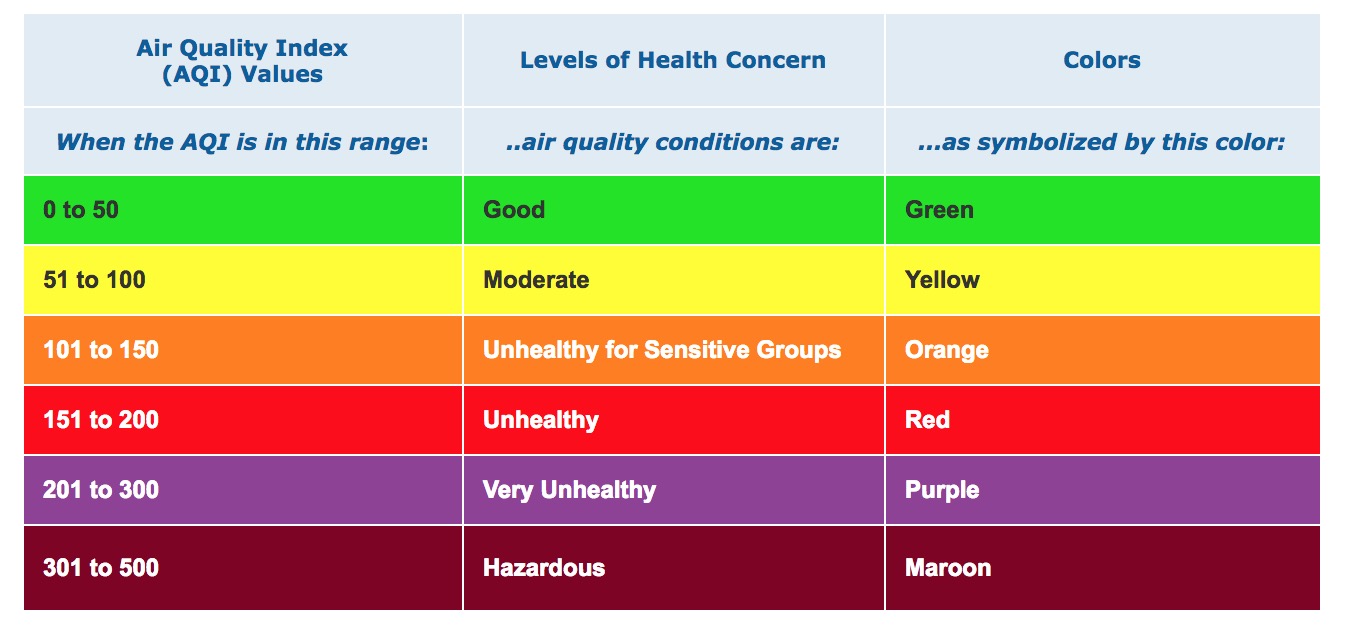
With a higher potential for poor air quality conditions during the remaining weeks of summer, the Clean Air Partnership continues to release color-coded, daily air quality forecasts to keep residents informed about air pollution levels in the region and how those levels can affect their health. Signing up to receive air quality forecasts via email at www.cleanair-stlouis.com helps to ensure area residents know what the next day’s air quality is forecast to be and if they should alter their outdoor activities to minimize exposure to polluted air, particularly on orange or red “ozone action days.” Since transportation-related emissions also remain one of the biggest contributors to air pollution, walking and biking instead of using a vehicle for short trips, telecommuting, avoiding vehicle idling, as well as carpooling and taking advantage of the region’s public transit system can also greatly impact the amount of ozone-forming emissions on any given day.

The more you know about the air you breathe, the bigger the difference you can make to help people across the St. Louis region breathe easier. To learn more about health effects of exposure to particle pollution and actions you can take to reduce emissions, visit our website at www.cleanair-stlouis.com, like the Clean Air Partnership on Facebook or follow @gatewaycleanair on Twitter.

Spotlight On: COCA

As the fourth largest multidisciplinary community arts center in the country, COCA is a national leader in innovative arts education that nurtures artistic and creative potential in students through dance, vocal music, theatre, art and design and beyond. COCA pairs these core values with an extraordinary devotion to going green in order to build a stronger, healthier St. Louis community.

A returning participant in the St. Louis Green Business Challenge, COCA earned the esteemed title of Challenge Champion for their ongoing commitment to implement environmentally friendly measures into everyday operational practices. During the 2020 Challenge, COCA elected to develop and report on their Champion Innovation Project – Sustainable Features of COCA’s New Ferring Wing – that focuses on clear sustainability goals enforced in the construction of their new space that houses the 450-seat Catherine B. Berges Theater, Staenberg Performance Lab, two new dance studios, Dierbergs Kitchen at COCA and more.

With a commitment to making St. Louis a better place to live, work and play, COCA worked closely with the project design and construction teams to develop a responsible design for a sustainable building of lasting quality to be enjoyed for generations to come. The new building includes several eco-friendly features, such as 100% LED lights, two new high-efficiency Daikin air handling units, three new water bottle filling stations to help reduce the use of disposable cups and plastic bottles, all new restroom faucets equipped with automatic sensors to control water usage, and a new landscape design featuring all native plant life. Moreover, a green roof was incorporated at the juncture between the two wings of the facility to provide additional green space to the property and to support local pollinators.

To further reduce environmental impact, COCA’s new dance studios were designed to take in as much natural light as possible and were equipped with daylight sensors to help reduce energy use during daytime hours. Last but not least, all studios were equipped with A/V and streaming capabilities to allow for at-home arts instruction. Ultimately, this will help reduce the need for transportation and cut down on carbon emissions, which also benefits the region’s air quality!

COCA prioritizes ecological stewardship in their daily procedures and has taken several steps to preserve energy, recycle, reduce waste and ‘go green’ in all possible avenues. By participating in single-stream recycling, COCA strives to maintain a clean, sustainable and environmentally conscious facility. COCA also remains dedicated to purchasing eco-friendly office cleaning supplies and electronics that meet ENERGY STAR specifications for optimal energy efficiency.

The Clean Air Partnership is pleased to recognize the efforts of organizations like COCA that continue to do their share for cleaner air by channeling their time and energy towards practicing sustainability. For additional information on how your company can get involved in the St. Louis Green Business Challenge, subscribe to their weekly E-Newsletter or visit www.stlouisgreenchallenge.com. To learn more about the link between sustainability and air quality, explore our website, like us on Facebook or follow us on Twitter at @gatewaycleanair.
 

Tackling Rising Summer Temps to Help St. Louisans Breathe Easier

Climate change is driving warmer temperatures, making ozone pollution more likely to form and harder to clean up, according to the findings of the latest “State of the Air” report from the American Lung Association. Although the three years covered in the latest report (2017-2019) were somewhat cooler than 2016 – which remains the hottest year on record – they still rank among the six hottest years on record globally, showing the strong impact of warmer temperatures on air quality.

With June having seen some of the hottest days in years in the St. Louis region and the prime of summer approaching – where warmer weather and stagnant air create conditions that make ozone more likely to form – the importance of keeping the region’s air clean is at an all-time high. Ozone is created when heat and sunlight react with nitrogen oxides and volatile organic compounds (VOCs) that are emitted from motor vehicles, industrial facilities, gasoline vapors, chemical solvents and dozens of other sources. Ozone gas is a powerful lung irritant that reacts with the delicate lining of the airways once inhaled, causing inflammation and other damage that can impact multiple body systems. When ozone levels are high, many people experience breathing problems such as chest tightness, coughing and shortness of breath, often within hours of exposure. Even healthy young adults may experience respiratory symptoms and decreased lung function.

While the “State of the Air” report largely focuses on the health harms linked to increases in ozone and particle pollution, heat itself is another significant risk factor that adds to the climate vulnerability of some of the same populations who face increased risk from air pollution. Children are especially vulnerable to extreme heat, as they spend more time playing outside and participating in vigorous activity than the average adult. Among older adults, increased heat and exposure to air pollution increases the risk of premature deaths, resulting in more emergency room visits and hospital admissions, especially for individuals who spend more time outdoors. Heat waves also pose a significant threat for increased risk of illness and death in people living with chronic lung disease.

As one of the top-ranked areas in the nation for ozone and particle pollution, the St. Louis region is no stranger to poor air quality conditions during summertime. However, there are plenty of resources available to help area residents take voluntary steps that can improve the quality of the air we breathe. The Clean Air Partnership releases color-coded, daily air quality forecasts to keep residents informed about ozone pollution levels in the region and how those levels can affect their health. Signing up to receive air quality forecasts via email at www.cleanair-stlouis.com helps to ensure residents know what the next day’s air quality is forecast to be and if they should alter their outdoor activities to minimize exposure to polluted air, particularly on orange or red “ozone action days.” Moreover, actions like walking and biking instead of using a vehicle for short trips, telecommuting, avoiding vehicle idling, carpooling and taking transit can also greatly impact the amount of ozone-forming emissions generated on any given day.

For more information and a host of additional tips to beat the summer heat to help clear the air and protect human health, visit our website, like the Clean Air Partnership on Facebook or follow @gatewaycleanair on Twitter.