Red, White & Breathe Easy: Celebrate a Greener Fourth of July

The Fourth of July is a time to gather, celebrate and enjoy the summer, but it’s also one of the most challenging days of the year for air quality. Between fireworks, grilling and increased travel, pollution levels often spike, making it harder for everyone—especially children, older adults and those with lung conditions—to breathe easy. 

The good news? With a few simple choices, you can still enjoy the holiday while helping protect the air we all share. 

Why air quality matters on the Fourth 

Fireworks may be a beloved tradition, but they release a mix of harmful pollutants, including fine particles and gases like sulfur dioxide and carbon monoxide. These tiny particles can travel deep into the lungs, irritating airways and triggering asthma symptoms or other breathing issues.  

In fact, air pollution levels can rise significantly during Independence Day celebrations, by as much as 42% on average, according to a study from the American Lung Association. That spike can linger into the next day, particularly on hot, still nights when pollutants get trapped near the ground.  

Fourth of July also falls during peak ozone season in the St. Louis region, when high temperatures and vehicle emissions and fuel sources combine to form ground-level ozone. This is another pollutant that can cause coughing, chest tightness and difficulty breathing.  

Simple ways to celebrate more cleanly 

Small choices can make a big difference in reducing pollution and protecting lung health. Consider these air-friendly tips as you plan your holiday: 

  • Skip personal fireworks
    Instead of setting off your own, attend a local, professional display. Community shows reduce the number of individual fireworks lighting up neighborhoods, helping lower overall emissions.  
  • Explore cleaner alternatives
    Swap fireworks for glow sticks, LED lights or even drone and laser shows. These still create a festive atmosphere, without the smoke. 
  • Be smart about grilling
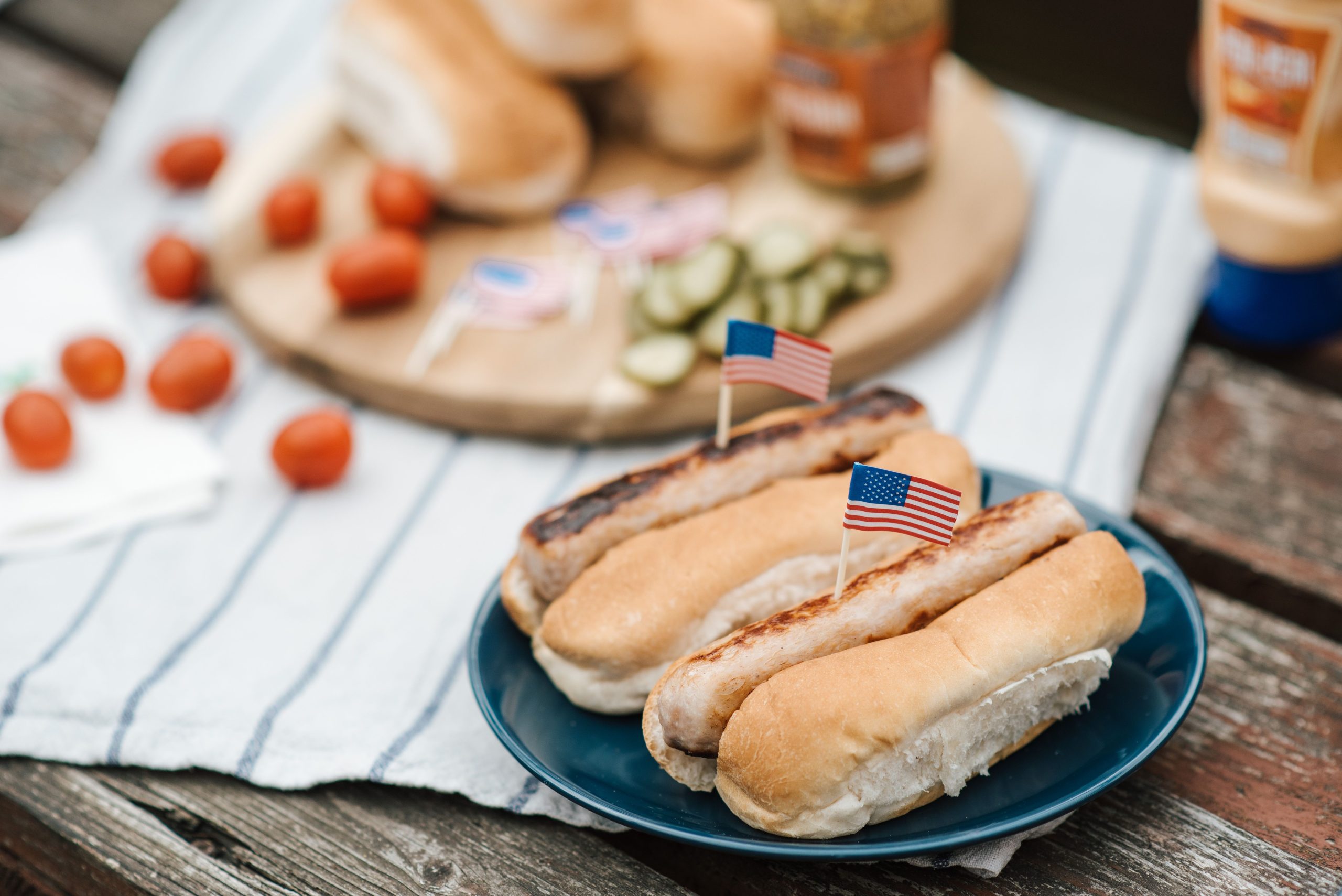
    Grilling is another contributor to summer air pollution. Use propane or electric grills instead of charcoal, or delay grilling if an ozone action alert is in effect.  
  • Drive less, breathe better
    Combine trips, carpool, bike or walk to gatherings when possible. Fewer vehicles on the road means fewer emissions contributing to ozone levels.  
  • Cut back on idling
    Whether you’re waiting in line or picking up guests, turn your engine off. Reducing idling is one of the simplest ways to cut unnecessary pollution.  
  • Reduce waste at your gathering
    Choose reusable or compostable party supplies and plan meals carefully to avoid food waste, keeping your celebration as sustainable as possible. 

Protect your health while celebrating 

If you notice smoky conditions or an elevated air quality forecast, take extra precautions. Staying indoors, limiting strenuous outdoor activity and checking daily air quality updates can help you make safer choices, especially for those with asthma or existing respiratory conditions.  

Make it a cleaner celebration 

Every action—big or small—adds up. This Fourth of July, celebrate not just independence, but a commitment to cleaner air for everyone.  

To learn more about the link between sustainability and air quality, explore our website, like us on Facebook or follow us on X at @gatewaycleanair. 
Partners Urge Residents to “Mix Up How You Move” with Transit + Trails

Hundreds of miles of trails on both sides of the river connect to transit stops, making it easy—and seamless—to explore the region using a combination of bus, train and trails. Citizens for Modern Transit (CMT) is therefore partnering with St. Clair County Transit District, Great Rivers Greenway and Madison County Transit to encourage residents to “Mix Up How You Move” this summer. Through Aug. 31, area residents are encouraged to visit MixUpHowYouMove.com to register for a FREE Metro Transit Day Pass (valued at $5 and good for unlimited rides on MetroLink and MetroBus on the day of their choosing), and to get information about the interconnecting trail systems in St. Louis, St. Clair and Madison counties with direct access to transit. 

Beyond offering a fun and flexible way to get around, this initiative also supports cleaner air across the St. Louis region. By choosing transit, biking or walking instead of driving for even a portion of daily trips, residents can help reduce vehicle emissions that contribute to ground-level ozone and poor air quality, especially during the warmer summer months. 

“With trails and transit so well connected throughout the region, there’s never been a better time to get out and explore,” said Kimberly Cella, CEO of CMT. “This summerlong initiative makes it simple, affordable and fun for residents to leave the car behind and mix up how they move. Our hope is if St. Louisans try it for fun and see the benefits, they may be willing to try for more trips, including work.” 

Great Rivers Greenway has 140 miles of greenways across the St. Louis region, including the St. Vincent, Brickline and River des Peres greenways, which connect to the UMSL North, Rock Road, Wellston, Grand Cortex and Shrewsbury-Lansdowne I-44 Transit Centers. St. Clair County Transit District’s MetroBikeLink System consists of more than 39 miles of interconnecting trails and bike paths in St. Clair County, Ill. The main artery of the MetroBikeLink System is a trail running adjacent to the MetroLink alignment. It begins at the Shiloh-Scott Transit Center and extends 14 miles, connecting the College, Belleville, Swansea, Memorial Hospital and Fairview Heights Transit Centers. A seventh station will soon be added, as a 4.3-mile trail nears completion as part of the MetroLink expansion to MidAmerica St. Louis Airport. Madison County Transit has 138 miles of scenic interconnected trails in Madison County, Ill., connected to the Madison County Transit fixed-route bus service. 

“There are so many great ways to get around the St. Louis region, from greenways and trails to public transit, and we’re excited to encourage community members to get outside and try a new way of getting to their favorite destinations,” said Claire Mueller, communications manager for Great Rivers Greenway. 

Visit MixUpHowYouMove.com through August 31 to register for a FREE Metro Transit Day Pass and gain access to trail maps.

Spotlight On: Missouri Historical Society

In celebration of National Historic Preservation Month, the Clean Air Partnership is delighted to shine a spotlight on the Missouri Historical Society this May. Serving the St. Louis region, the Missouri Historical Society provides spaces across its three locations—the Missouri History Museum, Soldiers Memorial Military Museum and Library and Research Center—where visitors can explore and learn more about Missouri and St. Louis history. As a St. Louis Green Business Challenge Leader, the organization has made significant sustainability efforts that positively impact the community and region.

“The Green Business Challenge provides an essential, annual prompt for Missouri Historical Society to conduct a holistic assessment of our organization’s sustainability efforts and identify ways to continue to move forward,” said Molly Corley, Sustainability Coordinator at the Missouri Historical Society. “Through learning, sharing and celebrating our achievements across this experience, we feel energized to continue our work.”

As part of its 2025 Green Business Challenge sustainability initiatives, the Missouri Historical Society planted more than 350 native plants in its courtyards and South Entrance. The organization also pruned courtyard trees to increase sunlight to garden beds, reduce deadwood and improve building clearance, supported by grants from Spire and the Missouri Department of Conservation. Additionally, they installed plant identification and interpretive signage and developed an activity to encourage greater use of the museum’s green spaces.

Another exciting milestone included recertifying the Missouri History Museum and the Library and Research Center to LEED v4.1 O+M Gold Level. The organization also achieved notable energy efficiency improvements by installing upgraded chillers at the Library and Research Center. These upgrades help reduce overall energy consumption and associated emissions, contributing to improved regional air quality and a healthier environment.

Internally, the Missouri Historical Society created engaging opportunities for staff and volunteers to participate in sustainability efforts. They hosted a two-day clothing swap to support textile recycling, swapping and local donations, allowing participants to reduce waste while also gaining new items. During the Challenge year, the organization also facilitated electronics recycling for upper galleries and staff departments.

Additional innovations included developing an internal protocol for reporting and tracking bird strike incidents on site, helping identify high-risk windows and inform prevention measures. The organization also encouraged recycling, reusing and donating items such as batteries, binders, filing cabinets, museum-grade frames, steel support poles and office furniture.

For more information about the Missouri Historical Society and how your organization can get involved in the St. Louis Green Business Challenge, subscribe to the Challenge’s bi-monthly E-newsletter or visit stlouisgreenchallenge.com. To learn more about the link between sustainability and air quality, explore the Clean Air Partnership’s website, like us on Facebook or follow us on X @gatewaycleanair.

Spotlight On: Donald Danforth Plant Science Center

As the world’s largest independent nonprofit dedicated to plant science, the Donald Danforth Plant Science Center is a recognized leader in sustainability. The Danforth Center is committed to improving the quality of human life, preserving the environment and creating a more sustainable future for both our region and the planet. Through its plant research, the Center is driving large-scale impact that extends far beyond the St. Louis region.

The Danforth Center continues to make meaningful progress in sustainability through its Future Forward campaign—a $165 million initiative designed to expand the Center’s global impact through plant science and innovation. The campaign supports the development of sustainable crop solutions, strengthens food security for smallholder farmers and promotes overall planetary health. Efforts like these earned the Danforth Center recognition as a Leader Level participant in the 2025 St. Louis Green Business Challenge.

“The Green Business Challenge opened our eyes to sustainability opportunities we hadn’t considered before,” said Todd Hornburg, Danforth Center’s Vice President of Facilities. “The ideas identified through the Challenge scorecard process will continue to guide us as we live out our commitment to sustainability.”

To further advance its sustainability goals, the Danforth Center has been steadily upgrading lighting fixtures across its campus to energy-efficient LED systems, helping reduce overall energy consumption. During its participation in the Green Business Challenge, the Center also transitioned all cleaning products to Green Seal-certified options and installed several water bottle filling stations throughout its facilities. These stations encourage the use of reusable bottles and help reduce plastic waste. In addition, many of the Center’s laboratory spaces have been converted to LED lighting, bringing overall coverage to just under 50%, with a goal of reaching as close to 100% as possible in the coming years.

Furthermore, the Danforth Center hosted BioSTL’s ReACH AgriFood Innovation Summit in February of the Challenge year, which brought together global leaders, farmers and innovators to share ideas on regenerative agriculture and sustainable food systems. The event reflected the Center’s ongoing commitment to advancing sustainability and fostering collaboration across the agrifood sector.

As an environmental leader, the Danforth Center also hosted the 2025 Green Business Challenge Awards Luncheon. The event included a tour of the Center’s facilities and operations, offering attendees a firsthand look at its sustainability efforts in action.

Community education is another important component of the Danforth Center’s mission. Through initiatives like the Cox Lab—a partnership between Washington University and the Danforth Center—the organization actively engaged with local students to promote environmental awareness. During a visit to the Jackie Joyner-Kersee Camp, the Cox Lab team taught students how duckweed can help clean water through a process known as phytoremediation. This hands-on activity encouraged environmental stewardship while highlighting the important role plants play in supporting clean, sustainable ecosystems.

For more information about the Danforth Center or to get involved in the St. Louis Green Business Challenge, subscribe to the bi-monthly E-Newsletter or visit stlouisgreenchallenge.com.  For more on how sustainability connects to air quality, visit the Clean Air Partnership website, like us on Facebook or follow us on X @gatewaycleanair.

Free Monthly Transit Passes—Valued at $78—Soon Available in Recognition of National Dump the Pump Day

As gas prices climb and household budgets tighten, public transportation remains a convenient and cost-effective way to get you where you need to go. It also plays a critical role in reducing vehicle emissions, helping to improve regional air quality and creating a healthier community for all. In recognition of National Dump the Pump Day, Citizens for Modern Transit (CMT), the region’s transit advocacy organization, will be offering a free monthly transit pass (while supplies last) to anyone who registers at DumpthePumpSTL.com during a 24-hour period starting from 5 p.m. on June 17 through 5 p.m. on June 18. Each pass, valued at $78, allows for unlimited rides throughout the month of July.

“Public transit delivers a great value—especially now as gas prices continue to hover around $4.50 a gallon,” said Kim Cella, CEO of CMT. “Transit saves people money on fuel, vehicle wear and tear, and in some instances, commute times. It also helps combat traffic congestion. By offering monthly passes, individuals can use transit several times a week and witness the very real impact on their wallets.” In addition, every trip taken on transit instead of in a personal vehicle helps cut down on harmful emissions, contributing to cleaner air across the region.

According to the American Public Transit Association, which observes National Dump the Pump on the third Thursday of June each year, using public transit instead of driving can save individuals over $13,000 annually—or over $1,100 per month—by reducing expenses such as gas, parking, maintenance and insurance. Households that eliminate a second car can save an additional $6,600 per year in ownership costs. A cost savings calculator is available at DumpthePumpSTL.com.

The Dump the Pump registration link for a free monthly transit pass will be available for a 24-hour period. Individuals must complete a brief contact information form. Upon completion, a July monthly transit pass will be mailed to them. Registration is available on a first-come, first-served basis, while supplies last.

Learn more at DumpthePumpSTL.com.


New “State of the Air” Report Highlights Ongoing Air Quality Challenges as Forecasting Season Is Now Underway in St. Louis

Daily air quality forecasting resumed May 1, marking the start of the 2026 season. At the same time, the American Lung Association’s latest “State of the Air” report shows that residents across the St. Louis region continue to face unhealthy air—even after decades of progress to reduce pollution.

The national report, which analyzes data from 2022–2024, finds that 44% of people nationwide—about 152.3 million individuals—live in areas with failing grades for ozone or particle pollution. While particle pollution has improved slightly, ozone pollution has worsened, affecting more people than in any of the past five reports and reinforcing the need for continued action.

In the St. Louis region, long-term trends show meaningful progress. In the late 1990s, the area averaged nearly 50 high-ozone days each summer. Today, that number has dropped to just over 10 days per year, reflecting the impact of cleaner technologies, stronger policies and community efforts.

Despite these gains, challenges remain. For the second consecutive year within the past decade, the St. Louis metro area ranked among the top 25 most ozone-polluted cities in the U.S., tying for 24th out of 226 metropolitan areas. The region is also ranked 31st nationally for annual particle pollution.

The report also points to growing climate-related pressures, including rising temperatures, drought and wildfire activity. These conditions contribute to more frequent high-ozone days and short-term pollution spikes, making it harder to maintain progress and increasing health risks.

Across the bi-state St. Louis non-attainment area, all eight counties received failing grades for ozone pollution. Ozone remains the most widespread air pollution concern in the U.S., affecting vulnerable populations the most, including tens of millions of children, older adults, and people with asthma or other respiratory conditions. Nearly half of all children in the U.S. are breathing unhealthy air, including almost 500,000 kids in Missouri alone.

As the summer air quality season gets fully underway, everyday choices can make a meaningful difference. Actions like adjusting travel habits, conserving energy and staying informed about air quality conditions help reduce pollution and protect those most vulnerable to unhealthy air.

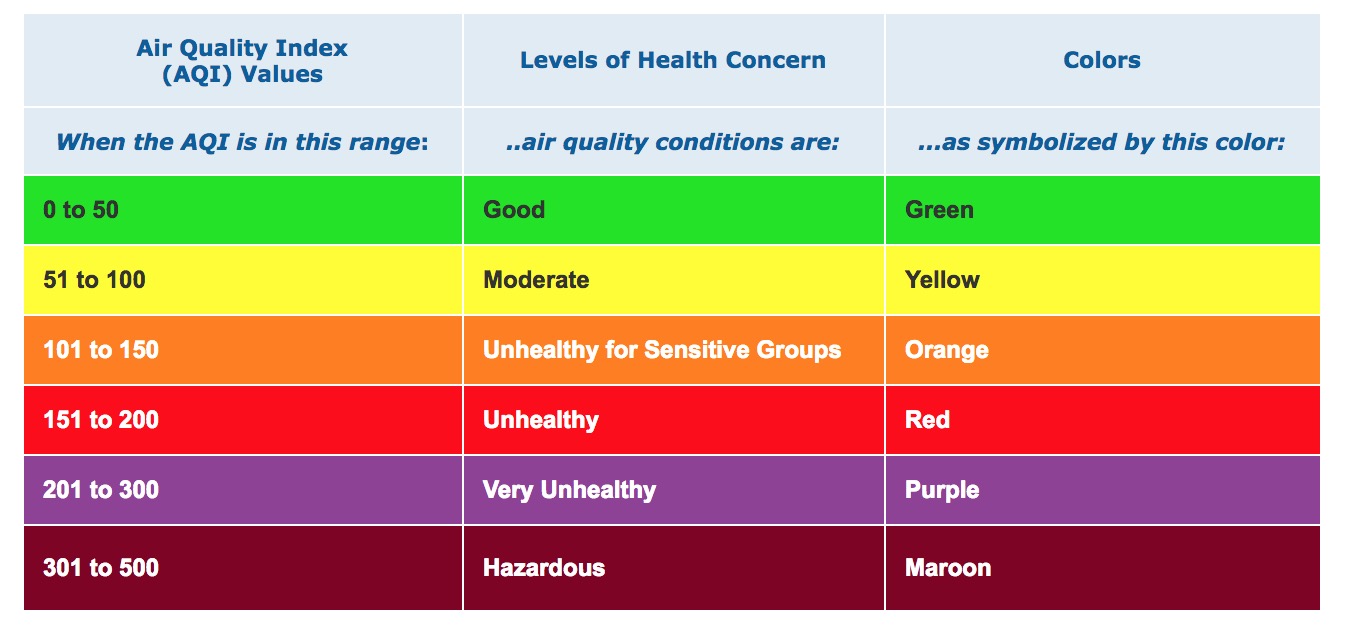
The Clean Air Partnership encourages area residents to check the daily, color-coded air quality forecast at CleanAir-StLouis and sign up for EnviroFlash alerts by email or text. Forecasts are also available on AirNow.gov, through First Alert 4 weather broadcasts and at FirstAlert4.com. Additional air quality tips, seasonal updates and helpful resources can be found at CleanAir-StLouis.com, or by following the Clean Air Partnership on Facebook or on X @gatewaycleanair.

To access the full American Lung Association 2026 “State of the Air” report, visit Lung.org.   

Spotlight On: Wildflowers

At Wildflowers, unique floral arrangements weren’t the only things in bloom throughout 2025. The company’s sustainability efforts also took root, earning recognition as a participant in the St. Louis Green Business Challenge at the Apprentice Level. Through thoughtful changes, Wildflowers continues to demonstrate care not only in its floral creations, but also for the environment and community it serves.

The team at Wildflowers shares a singular passion: creating beauty that moves, uplifts and inspires. From distinctive arrangements and seasonal wreaths to floral subscriptions and hands-on workshops, every piece reflects artistry, care and the belief that beauty can transform everyday moments. With more than 20 years in business, Wildflowers has grown not only creatively, but also in how they contribute to sustainability.

One impactful initiative during the 2025 Challenge included increasing sourcing from local, women-owned flower farms. By partnering with nearby growers, Wildflowers created a closed-loop sourcing model that ensures nearly all flowers are grown within 100 miles of St. Louis. This approach not only supports small businesses but also strengthens regional biodiversity and reduces carbon emissions associated with long-distance shipping.

Wildflowers also implemented composting and waste-reduction systems in the studio to minimize landfill waste and repurpose green materials. Biodegradable, plant-based waste is returned to the soil, enhancing fertility and helping create healthier conditions for future blooms, which is also beneficial for the region’s air quality.

Reducing the use of floral foam was another key Challenge objective. By opting for reusable chicken wire, pin frogs and moss bases, the team continued to produce striking designs while choosing more environmentally friendly methods. Wildflowers also shared this knowledge with the community through seasonal “foam-free” design classes, which blended creativity with environmental responsibility.

Beyond curating fresh florals, Wildflowers extended the life cycle of their floral products by introducing a botanical arts line that used dried flowers and repurposed natural materials. The company’s commitment to sustainability extended beyond its own studio as well; Wildflowers contributed sustainable floral décor for the St. Louis Green Business Challenge Awards event.

“Sustainability is at the heart of our creative process,” said Sara Ward, owner and creative director of Wildflowers. “Through the Challenge, we’ve refined how we design—choosing local blooms, working to eliminate floral foam and teaching our community that beauty and responsibility can thrive together.”

By growing eco-friendly initiatives alongside their floral work, Wildflowers continues to create lush bouquets, celebratory décor and meaningful additions to everyday life. Whether showcased in a museum, wedding or home, their designs stand out for both style and sustainability.

For more information about Wildflowers and how your organization can get involved in the St. Louis Green Business Challenge, subscribe to the Challenge’s bi-monthly E-newsletter or visit stlouisgreenchallenge.com. To learn more about the link between sustainability and air quality, explore the Clean Air Partnership’s website, like us on Facebook or follow us on X @gatewaycleanair.

Spotlight On: Vanimal

No company lives by its slogan quite like Vanimal. Their phrase, “We Meet You in the Wild,” is spot on when you learn they’ll fix your bicycle just about anywhere in St. Louis City or County. Vanimal is a new breed of professional mobile bike shop that meets riders wherever they are — at home, work, a park or even a favorite neighborhood spot — and services bikes on the spot. With more than 350 bicycle-specific tools and over 500 parts stocked inside their Mercedes Sprinter, Vanimal is prepared to handle most common bike issues efficiently and safely.

From flat repairs, chains and cables to tires, lights and accessories, Vanimal’s mission is simple: keep riders safe and confident on the road. Their core service offerings include three levels of tune-ups designed for every type of cyclist. The “Dust Bunny” provides a basic tune-up to ensure bikes are safe and ride-ready, while the popular “Bunny Hop” delivers a more detailed clean and major tune-up. For riders seeking a full refresh, the “Hare Raiser” complete overhaul strips the bike down, cleans and re-lubricates moving parts, and rebuilds it for like-new performance.

Beyond convenience and expertise, Vanimal’s green efforts have had a meaningful local impact. Through education, advocacy and partnerships with local businesses, schools and community groups, they help spread awareness about sustainable transportation and environmental responsibility across the region.

Sustainability plays a central role in Vanimal’s operations. As a participant in the 2025 St. Louis Green Business Challenge at the Apprentice Level, the mobile bike shop recycled 19 tires, 50 pounds of chains and 40 inner tubes through Laumeier Sculpture Park for use in its Art Camps. Vanimal also donated four children’s bikes to B-Works for refurbishing in the organization’s Learn to Ride youth program. In addition, the business exclusively uses Muc-Off products, which align with the company’s own Project Green Initiative.

Vanimal’s commitment also extended beyond recycling. During the Challenge, they volunteered on Earth Day with Forest ReLeaf to help transplant more than 200 trees, attended a St. Louis Zoo presentation on bird strikes and light pollution, and hosted two Balance Bike Camps for toddlers ages 2–3 through the St. Louis Public Library.

“I love being inspired by the like-minded businesses in the Green Business Challenge,” said Francesca DeRanzo, owner and operator of Vanimal. “It is so great to see what a big impact everyone can have for the St. Louis community and environment by working together and making small changes. Sustainability has always been important to me, and a large part of why I chose to start a mobile bike shop.”

For more information about Vanimal and how your organization can get involved in the St. Louis Green Business Challenge, subscribe to the Challenge’s bi-monthly E-newsletter or visit stlouisgreenchallenge.com. To learn more about the link between sustainability and air quality, explore the Clean Air Partnership’s website, like us on Facebook or follow us on X @gatewaycleanair.

Area Residents Encouraged to Explore the MetroBikeLink System through SCCTD’s Summerlong “GO TRAILing” Program

Effort Incentivizes Participants of All Ages to Track Miles and Earn Prizes 

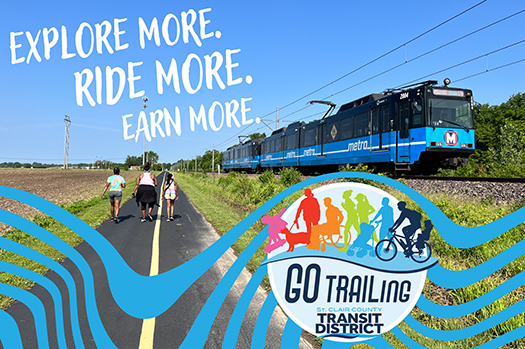
St. Clair County Transit District (SCCTD) is encouraging area residents to get out this summer and explore the MetroBikeLink system with its “GO TRAILing” program, being held in partnership with Citizens for Modern Transit. From May 9 to August 8, participants of all ages can earn incentives by tracking miles spent walking, biking, wheeling, running, skating or skipping along 39 miles of interconnected trails and bike paths throughout St. Clair County. Registration is free and can be completed at scctd.org.  

By choosing active transportation and recreation on local trails, participants are also helping reduce vehicle trips, cutting down on harmful tailpipe emissions that contribute to poor air quality across the bi-state St. Louis region. Programs like “GO TRAILing” make it easy for individuals and families to support cleaner air while staying active and connected to their community. 

Prizes are awarded for tracking 10, 25, 50, 75 and 100 miles and include MetroBikeLink water bottles, “GO TRAILing” branded t-shirts and hats, monthly transit passes, bike helmets and bike lights. Participants who log 100 miles or more over the summer will also be entered into a drawing for one of three grand prizes: a $100 gift card, Bluetooth earbuds or Fitbit Fitness Tracker. 

Mile tracking is made easy through the “GO TRAILing” online system at scctd.org. Prizes may be picked up at St. Clair County Transit District’s office at 27 N. Illinois Street in Belleville, Monday through Thursday from 9 a.m. to 3 p.m. and Friday from 9 a.m. to noon, beginning May 10. 

“Since its inception in 2022, more than 38,500 miles have been tracked through this popular program, offering a fun and healthy way for individuals and families to get out and explore the MetroBikeLink system,” said Ken Sharkey, managing director for the St. Clair County Transit District. Those miles represent thousands of opportunities to choose cleaner, more sustainable travel options that benefit both personal health and regional air quality. 

Those who bike to work via the MetroBikeLink system can log those miles as part of the program. To celebrate National Bike to Work Day, St. Clair County Transit District and Citizens for Modern Transit will host a “pit stop” at the Belleville Transit Center on Friday, May 15, from 6 to 8 a.m., providing bicyclists with granola bars and information about the “GO TRAILing” program. 

To learn more, visit scctd.org or call 618-628-8090. 

Spotlight on: Passback

Embodying the phrase “Where Sports Meet Sustainability,” Passback works to revitalize the lifecycle of sports equipment while providing underserved youth with the tools they need to participate fully in sports. By redistributing gently used gear, Passback reduces waste, keeps materials in use longer and helps communities thrive through inclusivity and sustainability, which are outcomes that also support cleaner air across the St. Louis region.

The nonprofit’s green efforts extend beyond redistribution. Through education, advocacy and partnerships with businesses, school and other nonprofits, Passback helps reduce the demand for new manufacturing and transportation of sports equipment, which in turn lowers greenhouse gas emissions and improves regional air quality.

Sustainability is not an add‑on for Passback — it is a core pillar of who they are. As a participant in the 2025 St. Louis Green Business Challenge at the Apprentice Level, the organization formed a Sustainability Committee to oversee initiatives, monitor progress and explore opportunities such as energy credit sales to help minimize environmental impact.

During the 2025 Challenge, Passback was recognized for creating a Warehouse Sustainability Strategy designed to reduce environmental impacts through optimized lighting, reuse systems, clear signage and intake and output tracking. The organization also implemented a 10% Waste Reduction Plan focused on tracking event waste and diverting plastic and metal bottles through recycling and take‑back programs that help keep pollutants out of landfills and the air.

Passback’s impact extends well beyond its Challenge participation. Since launching in August 2023, the organization has gifted more than $140,000 worth of sports gear to children in underserved communities, with 90% of that support staying local. In doing so, Passback has recirculated more than 10 tons of plastic and metal back into the economy, reducing waste and emissions associated with producing new equipment.

Passback also developed and adopted a Green Purchasing Policy that prioritizes reused, recycled and local materials that can biodegrade or be recycled. In addition, the organization established a Partner Sustainability Policy that encourages partners to demonstrate sustainable practices and continuous improvement, helping expand positive environmental impacts across the region.

Other innovative Challenge efforts included advancing evidence‑based circularity through research conducted with the National Renewable Energy Laboratory (NREL), Washington University in St. Louis and independent analysts. This work helped quantify the lifecycle impacts of sports gear while implementing greenhouse gas emissions and diversion tracking, turning data into meaningful outcomes for access, equity and community health.

“The Challenge helped the Passback team transform ideas into actionable strategies, connecting our work in circularity with the people and organizations capable of scaling it,” said Magdalen Sparrow, executive director for Passback. “The experience reinforced our belief that sustainability isn’t just about reducing waste, it’s about reimagining how businesses collaborate to build a regenerative, equitable future. Systems change is a team sport!”

For more information about Passback or to get involved in the St. Louis Green Business Challenge, subscribe to the bi-monthly e-newsletter or visit stlouisgreenchallenge.com.  For more on how sustainability connects to air quality, visit the Clean Air Partnership’s website, like us on Facebook or follow us on X @gatewaycleanair.