
Spotlight On: ESCO Technologies

Innovation is at the core of everything ESCO Technologies does. From supporting the aerospace, defense, utility, healthcare and renewable energy industries to developing advanced engineering and technology solutions, the St. Louis-based company is focused on solving complex challenges and driving meaningful progress. In 2025, that same innovative mindset helped ESCO Technologies earn Champion-level recognition and the St. Louis Green Business Challenge Champion Action Focus Award for its efforts to reduce waste and improve operational efficiency through a major paper reduction initiative.

Headquartered in St. Louis, ESCO Technologies is a global provider of highly engineered products and solutions serving customers through its Aerospace & Defense, Utility Solutions Group, and RF Test & Measurement segments. As a technology-driven organization, ESCO is continually looking for opportunities to improve processes, increase efficiency and minimize environmental impact.

One of the company’s most impactful sustainability efforts during the 2025 Challenge was its “Path Towards Paperless” Champion Innovation Project, which focused on reducing paper consumption, increasing digital accessibility and making better use of existing resources.

As part of the project, ESCO Technologies shredded and recycled approximately 85,000 pounds of paper documents while digitizing 134,266 pages of historical records into more than 10 gigabytes of searchable PDF files. The transition allowed the company to eliminate 1,341 square feet of leased storage space previously dedicated to paper document retention, creating opportunities to use that space more efficiently.

The shift to digital recordkeeping has delivered environmental and operational benefits. Historical documents are now easier to access and search electronically, improving efficiency and reducing the need to maintain paper archives. The company also reduced the number of personal printers across its facilities and configured network printers to default to double-sided printing, helping decrease paper, toner and energy consumption.

While these changes may seem simple, they demonstrate how thoughtful operational improvements can create meaningful environmental results. Reducing paper use conserves natural resources, while decreasing printer usage lowers energy consumption and waste generation. Together, these efforts support broader sustainability goals and contribute to a healthier environment.

“ESCO Technologies draws ongoing inspiration from the Green Business Challenge to drive impactful projects that improve performance and reduce our environmental impact,” said Justin Prien, Director of Environmental, Health and Safety at ESCO Technologies.

The company’s success highlights an important aspect of sustainability: innovation doesn’t always require large-scale infrastructure projects. Sometimes, meaningful change comes from rethinking everyday processes and finding smarter, more efficient ways to operate.

By embracing digital transformation and reducing unnecessary resource consumption, ESCO Technologies has demonstrated how businesses can simultaneously improve efficiency, reduce waste and strengthen environmental performance. These efforts help support regional sustainability goals while contributing to cleaner air through reduced energy use and responsible resource management.

For more information about ESCO Technologies or to get involved in the St. Louis Green Business Challenge, subscribe to the bi-monthly E-Newsletter or visit stlouisgreenchallenge.com.  For more on how sustainability connects to air quality, visit the Clean Air Partnership’s website, like us on Facebook or follow us on X @gatewaycleanair.

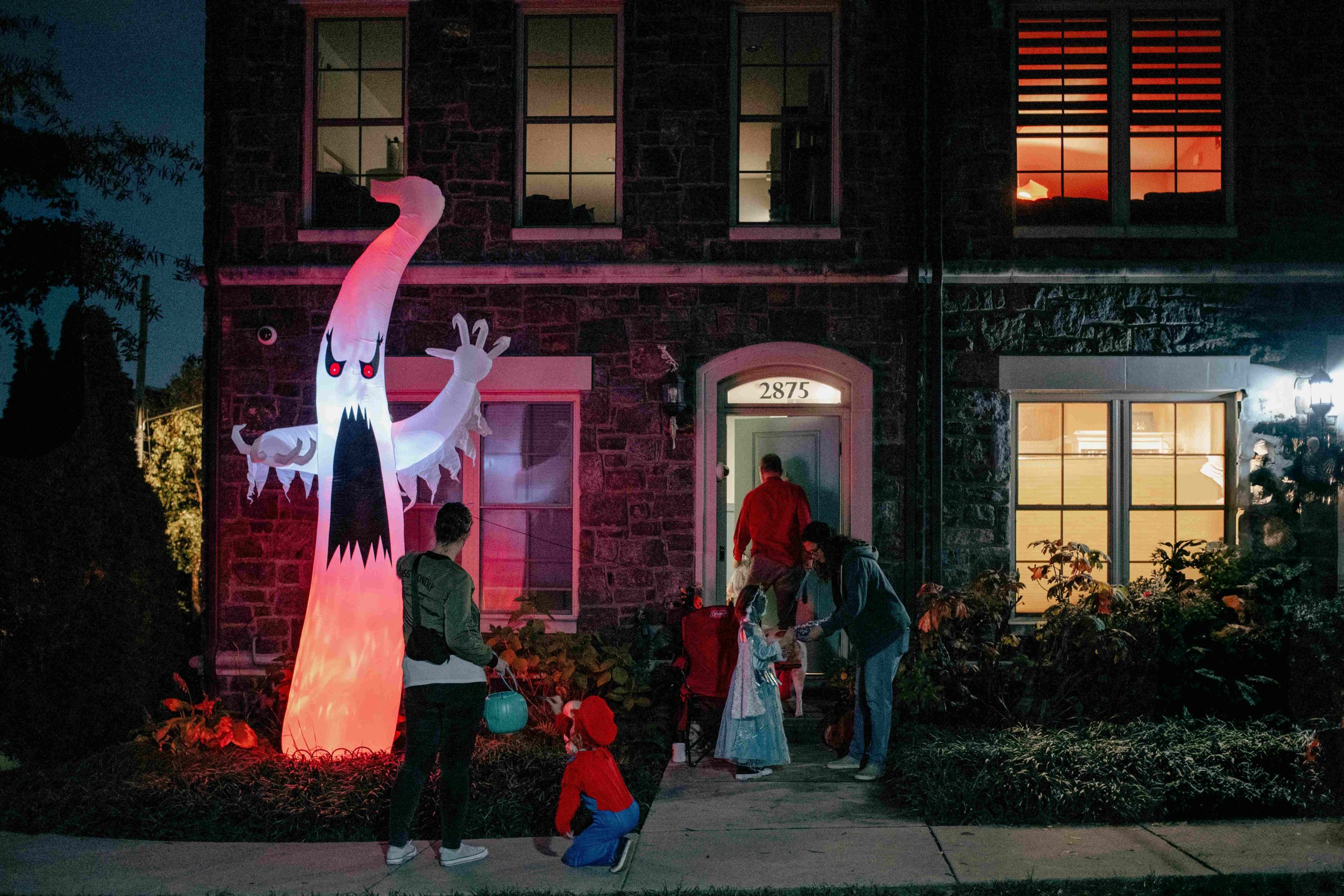
Have a Hauntingly Sustainable Halloween

Halloween is a fun time to celebrate with family, friends and neighbors, but it can also generate a surprising amount of waste. From single-use decorations and costumes to excess candy packaging, small choices can add up quickly. The good news? With a little planning, you can enjoy a festive Halloween while helping to protect the environment and support cleaner air.

Give Costumes a Second Life

Before purchasing a brand-new costume, consider shopping your closet, visiting a thrift store or organizing a costume swap with friends and neighbors. Reusing or repurposing costumes helps reduce waste and gives old items a new purpose. If your family has outgrown costumes from previous years, consider donating them so someone else can enjoy them.

Choose Reusable Decorations

Many Halloween decorations are designed for a single season and end up in the trash. Instead, invest in durable decorations you can use year after year, or create your own from materials you already have at home. Natural decorations such as pumpkins, gourds, cornstalks and leaves can add seasonal charm without creating unnecessary plastic waste.

Make Pumpkins Count

Pumpkin carving is a popular Halloween tradition, but don’t let those pumpkins go to waste after the holiday. Roast the seeds for a healthy snack, compost pumpkin scraps when possible and consider adding leftover pumpkins to backyard compost bins after Halloween. Keeping organic material out of landfills helps reduce methane emissions and supports healthier soils.

Walk, Roll or Bike to Halloween Activities

Whether you’re heading to a trunk-or-treat event, neighborhood gathering or a friend’s house, consider walking, biking or carpooling when possible. Fewer vehicle trips can help reduce traffic congestion and vehicle emissions while giving families an opportunity to enjoy time together outdoors.

Cut Down on Candy Waste

When handing out treats, look for options with minimal packaging when available. Consider offering non-food items such as pencils, stickers or small reusable toys as alternatives. If you end up with extra candy after Halloween, save it for future events, share it with others or donate unopened treats to local organizations that accept them.

Swap Batteries for Rechargeables

Many Halloween decorations rely on battery-powered lights and sound effects. Using rechargeable batteries can help reduce waste and save money over time. If you use disposable batteries, be sure to recycle them properly when they reach the end of their life.

Turn Off the Scare When the Night Is Over

Halloween displays add plenty of seasonal spirit, but decorative lighting and inflatables can use a significant amount of energy if left running all night. Consider turning decorations off before bed or using timers to help reduce energy consumption.

Small changes can make a big difference. By reusing costumes, choosing sustainable decorations, reducing waste and exploring cleaner transportation options, you can enjoy a memorable Halloween while helping keep the St. Louis region’s air cleaner for everyone.

Happy Halloween from the Clean Air Partnership! 🎃👻🌎


Spotlight On: Bayer

As one of the organizations that has participated in all 16 years of the St. Louis Green Business Challenge, Bayer continues to demonstrate that sustainability is most effective when it is embedded into everyday operations. That ongoing commitment earned the company Champion Level recognition in the 2025 Challenge, highlighting the meaningful environmental impact taking place at its Chesterfield and Creve Coeur campuses.

As a global life sciences company focused on health and nutrition, Bayer recognizes the connection between environmental stewardship and the health of communities. Its local sustainability efforts reflect that philosophy, helping employees, visitors and the broader St. Louis region benefit from cleaner, healthier spaces while supporting initiatives that can contribute to improved air quality, reduced waste and responsible resource use.

Bayer’s 2025 Green Business Challenge accomplishments showcase a comprehensive approach to sustainability. The company maintained an overall landfill diversion rate of more than 60%, helping keep valuable materials out of landfills and reducing waste across its operations. Bayer also expanded support for cleaner transportation by installing six additional Level 2 electric vehicle (EV) charging stations at its Chesterfield campus parking garage, bringing the site’s total charging capacity to 27 EVs at one time.

The company’s commitment to biodiversity and habitat conservation also continued to earn national recognition. Both the Creve Coeur and Chesterfield campuses received Gold certification from the Wildlife Habitat Council, reflecting Bayer’s efforts to create and maintain spaces where native plants and wildlife can thrive. Employees also actively participated in the Blue Bird Nestbox monitoring program, which experienced another successful year of engagement and habitat stewardship.

Beyond operational improvements, Bayer places a strong emphasis on employee involvement and community engagement. During the 2025 Challenge year, the company hosted Earth Day events at both St. Louis-area campuses, providing opportunities for employees to learn about sustainable practices and environmental responsibility.

Bayer’s Sustainability Team also partnered with Open Space STL to support the 2025 Operation Clean Stream event at George Winter Park in Fenton. The annual volunteer effort helps remove litter and debris from local waterways and surrounding areas, improving the health of regional ecosystems and helping protect water quality.

On campus, Bayer continued to connect employees with nature through activities such as Nature Walks and Biodiversity Blitz events. These programs encourage participants to explore local ecosystems, learn about native species and better understand the important role biodiversity plays in maintaining healthy environments.

“Sustainability is more than just a goal at Bayer, it’s part of our everyday work,” said Mark Wieners, Associate Manager of Environmental Facility & Lab Operations for Bayer. “We provide habitats on our campuses for native species to thrive, while reducing waste and conserving energy and water to protect the resources we all depend on.”

For more information about Bayer or to get involved in the St. Louis Green Business Challenge, subscribe to the bi-monthly E-Newsletter or visit stlouisgreenchallenge.com.  For more on how sustainability connects to air quality, visit the Clean Air Partnership’s website, like us on Facebook or follow us on X @gatewaycleanair.
New MetroLink Extension Expands Transportation Choices and Supports Cleaner Air

A major transportation milestone is set to benefit residents, workers, travelers and the environment across the Metro East and greater bi-state St. Louis region.

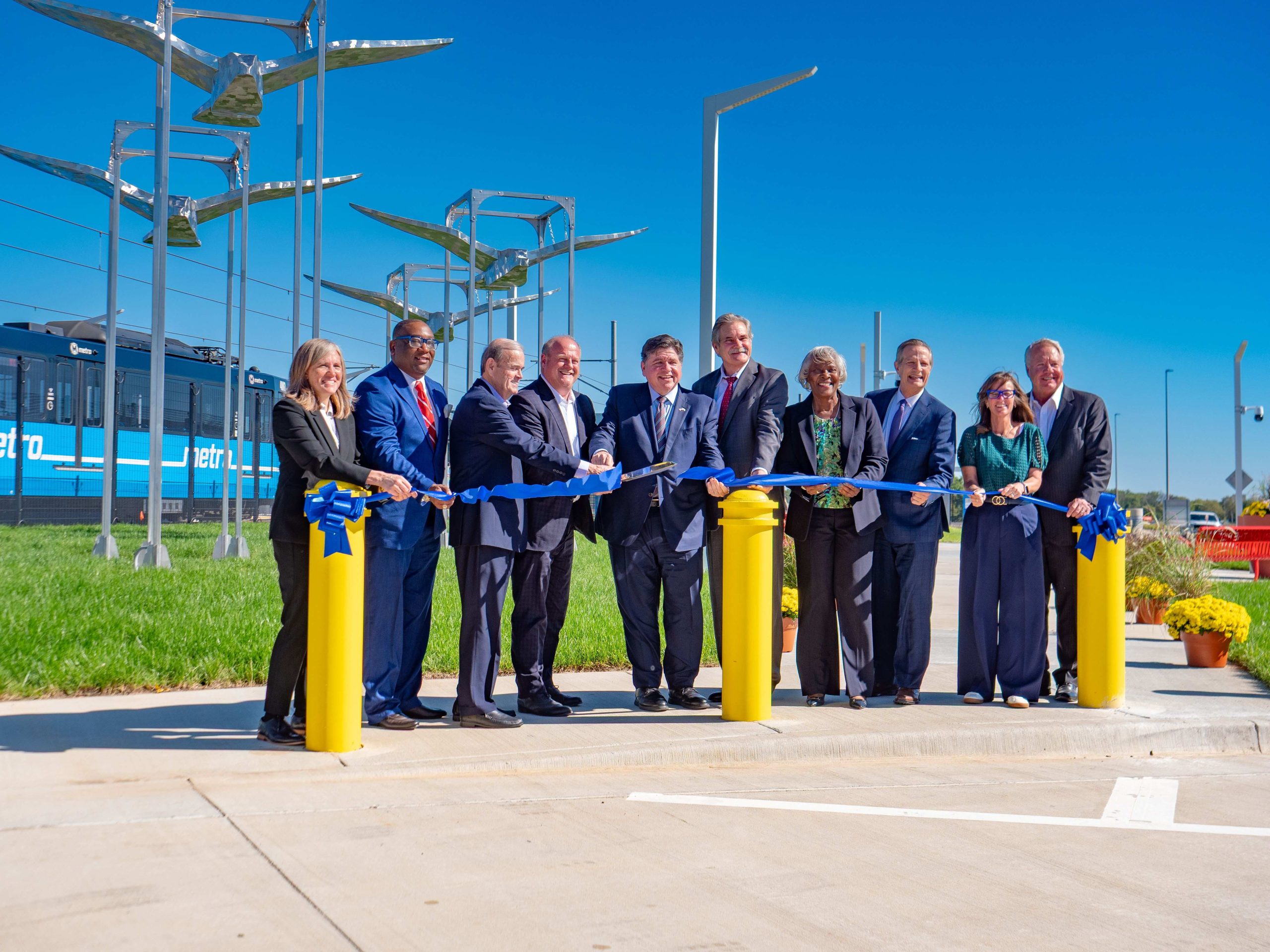
State, regional and local leaders recently celebrated the completion of the MetroLink Extension to MidAmerica St. Louis Airport on Oct. 5, a transformative project designed to improve regional connectivity, expand transportation options and support long-term economic growth throughout the region.

The project includes a 5.2-mile extension of MetroLink from the Shiloh-Scott Transit Center to MidAmerica St. Louis Airport, along with new roadway connections and an extension of the MetroBikeLink Trail. Together, these improvements create a more connected transportation network for transit riders, cyclists, motorists, airport travelers and employers throughout St. Clair County and beyond.

The new MetroLink station is located directly across from the MidAmerica St. Louis Airport terminal and marks the first full MetroLink expansion in approximately 20 years. Once passenger service begins in the coming months, the extension will become MetroLink’s 39th station and provide a direct rail connection between MidAmerica St. Louis Airport and St. Louis Lambert International Airport through Metro’s 43-mile light rail system.

For the St. Louis region, investments in public transit and active transportation infrastructure do more than improve mobility. They also support cleaner air by reducing reliance on single-occupancy vehicle trips, helping decrease traffic congestion and vehicle emissions. Expanding transportation choices makes it easier for residents to choose transit, biking and walking for work, travel and everyday activities.

The project also strengthens access to major employment centers, including MidAmerica St. Louis Airport and Scott Air Force Base, while creating new opportunities for future development and investment along the corridor.

“This project demonstrates what can happen when a bold vision is backed by strong partnerships and a commitment to follow through,” said Ken Sharkey, managing director of the St. Clair County Transit District. “A tremendous amount of planning, coordination and hard work went into making this extension a reality. Today, we celebrate the completion of a project that improves connectivity, expands transportation choices and creates opportunities that will benefit residents, employers and the entire region for decades to come.”

Construction on the MetroLink extension is complete and testing is underway, with passenger service expected to begin in the coming months. An additional 0.7-mile MetroBikeLink Trail extension to the new station is also planned, further enhancing opportunities for active transportation and multimodal travel throughout the region.

Projects like the MetroLink extension demonstrate how strategic investments in transit, bicycling and pedestrian infrastructure can help communities improve mobility, strengthen local economies and support cleaner air for everyone.

To learn more about the project, visit the St. Clair County Transit District website.